- This topic is empty.
-
AuthorPosts
-
2026-01-27 at 1:53 pm #13009
Canned food labeling machines are essential equipment in modern food processing and packaging plants. They ensure that every can is accurately labeled, maintaining both product quality and regulatory compliance. However, like any industrial machinery, canned food labeling machines require regular maintenance to achieve long-lasting performance. Proper upkeep not only prolongs the life of the equipment but also minimizes downtime, reduces repair costs, and enhances overall productivity. This article will provide a comprehensive guide on how to maintain your canned food labeling machine for longevity, with practical tips for operators and managers alike.
Understanding Your Canned Food Labeling Machine
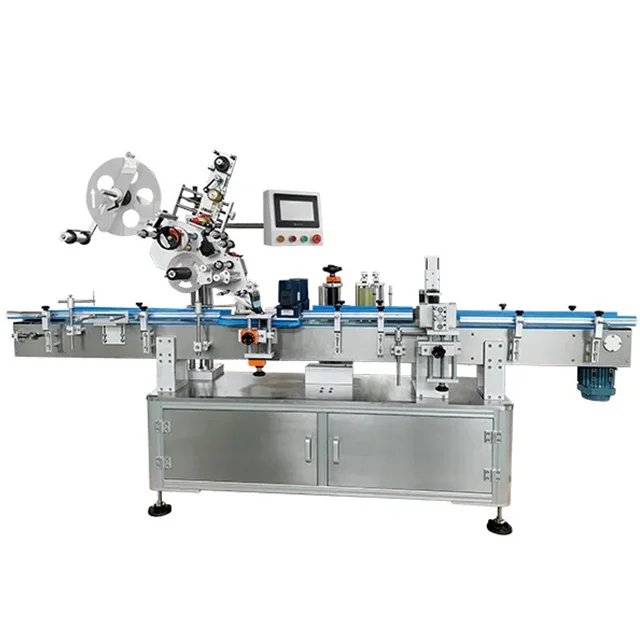
Before diving into maintenance practices, it is crucial to understand the basic components of a canned food labeling machine. Typically, these machines consist of:
-
Feeding system: Moves cans into the labeling area.
-
Label applicator: Applies the label accurately onto each can.
-
Conveyor system: Transfers cans through the labeling line.
-
Control system: Manages speed, alignment, and labeling precision.
-
Sensors and rollers: Detect can position and ensure proper label application.
Familiarizing yourself with these components allows for better preventive maintenance and troubleshooting. Operators who understand the machine’s mechanics are better equipped to spot issues before they become significant problems.
Regular Cleaning: The Foundation of Machine Longevity
One of the most critical aspects of canned food labeling machine maintenance is cleaning. Food production environments can be dusty, sticky, or greasy, which can interfere with the machine’s moving parts. Follow these cleaning practices:
-
Daily Cleaning: Wipe down all surfaces that come into contact with cans and labels. Remove adhesive residues from rollers and applicators to prevent misalignment.
-
Weekly Deep Cleaning: Disassemble key components like label applicators, rollers, and sensors. Clean with manufacturer-recommended solutions to remove buildup that could affect performance.
-
Avoid Harsh Chemicals: Use mild cleaning agents, as strong chemicals may corrode sensitive parts, particularly electronic components and belts.
Regular cleaning ensures smooth operation and prevents wear on parts, extending the machine’s service life.
Lubrication: Reducing Wear and Tear
Lubrication is another vital practice in automated labeling machine upkeep. Moving parts such as gears, chains, and bearings need regular lubrication to reduce friction and prevent overheating.
-
Frequency: Consult the manufacturer’s guidelines. Typically, bearings and chains require lubrication weekly or biweekly, depending on production intensity.
-
Lubricant Type: Use food-grade lubricants to ensure safety in food processing environments.
-
Avoid Over-Lubrication: Excess lubricant can attract dust and adhesive particles, which can impede machine function.
Proper lubrication reduces wear, prevents unexpected breakdowns, and maintains consistent labeling quality.
Inspecting for Wear and Damage
Even with routine cleaning and lubrication, parts of your canned food labeling machine will wear over time. Regular inspection helps identify issues early:
-
Belts and Rollers: Check for cracks, fraying, or uneven wear. Replace damaged belts to maintain labeling accuracy.
-
Sensors: Ensure sensors are clean and correctly aligned. Misaligned sensors can cause skipped labels or labeling errors.
-
Gears and Chains: Inspect for loosening or damage. Tighten or replace components as needed to prevent malfunctions.
-
Electrical Components: Check wiring and connectors for signs of wear or corrosion. Faulty wiring can lead to machine downtime and safety hazards.
A thorough inspection schedule should be documented and followed strictly to avoid unexpected breakdowns.
Calibration and Alignment
Labeling machine calibration is essential for accurate label placement. Misaligned labels not only affect product appearance but may also cause regulatory compliance issues. Follow these tips:
-
Regular Calibration: Schedule calibration every month or whenever the machine is relocated.
-
Check Label Positioning: Ensure labels are applied straight, with consistent spacing on every can.
-
Adjust Conveyor Speed: Synchronize conveyor speed with label applicator speed to prevent label misalignment.
Accurate calibration improves the quality of labeling and reduces wastage of labels and cans.
Preventive Maintenance Schedule
Establishing a preventive maintenance schedule is key to canned food labeling machine longevity. Preventive maintenance reduces emergency repairs and extends machine life. A typical schedule may include:
-
Daily: Cleaning, visual inspection, sensor check.
-
Weekly: Lubrication, belt and roller inspection, minor adjustments.
-
Monthly: Electrical checks, calibration, deep cleaning of applicators.
-
Quarterly: Full system inspection, replacement of worn parts, software updates if applicable.
-
Annually: Comprehensive overhaul and professional servicing.
A well-documented maintenance schedule ensures all operators are aware of responsibilities, promoting consistent machine care.
Training Operators
Even the best-maintained machines can fail if operators misuse them. Proper training is critical in labeling machine maintenance and operation:
-
Train operators on daily cleaning, minor adjustments, and troubleshooting.
-
Provide manuals and step-by-step guides for quick reference.
-
Encourage reporting of irregular noises, misaligned labels, or unusual machine behavior immediately.
Well-trained operators act as the first line of defense, preventing small issues from turning into costly repairs.
Troubleshooting Common Issues
Despite best practices, issues may still arise. Knowing how to address them can save time and money:
-
Skipped Labels: Often caused by dirty sensors, misaligned applicators, or inconsistent adhesive. Clean and recalibrate the machine.
-
Wrinkled or Torn Labels: Check roller tension and label feed alignment. Adjust tension or replace worn rollers.
-
Machine Jamming: Usually due to debris, sticky labels, or misaligned cans. Stop the machine, remove blockages, and inspect moving parts.
-
Inconsistent Label Placement: May indicate conveyor speed mismatch or faulty sensors. Recalibrate and realign components.
Documenting issues and solutions helps improve long-term machine reliability and reduces downtime.
Upgrading Components
To further extend the life of your canned food labeling machine, consider upgrading worn or outdated components:
-
Modern Label Applicators: Can improve precision and reduce adhesive waste.
-
Enhanced Sensors: Provide more accurate detection for high-speed production lines.
-
Automation Upgrades: Integrating PLC or smart control systems can reduce human error and improve efficiency.
Upgrading parts selectively can give older machines a second life without the expense of a complete replacement.
Conclusion
Maintaining your canned food labeling machine is a combination of regular cleaning, lubrication, inspection, calibration, and operator training. By implementing a structured maintenance schedule and addressing issues proactively, you can significantly extend the machine’s operational life, reduce downtime, and improve labeling accuracy. Whether you operate a small processing plant or a large-scale production line, investing time in canned food labeling machine maintenance ensures a smoother workflow, lower operational costs, and better product quality.
In today’s competitive food industry, where efficiency and precision are paramount, proper maintenance is not optional—it is essential. Following these guidelines for your canned food labeling machine will protect your investment, maximize productivity, and keep your labeling operations running smoothly for years to come.
http://www.beiltpack.com
beiltpack -
-
AuthorPosts

- You must be logged in to reply to this topic.