- This topic is empty.
-
AuthorPosts
-
2026-06-26 at 10:18 am #13864
In modern logistics and warehouse automation, especially in AS/RS environments, one of the persistent inefficiencies has always been the handling of empty containers. While full-load circulation is efficient, empty-return space consumption creates a hidden cost problem that directly impacts storage density and operational flexibility.
This is where folding turnover containers introduce a practical “flexibility layer” into the system.
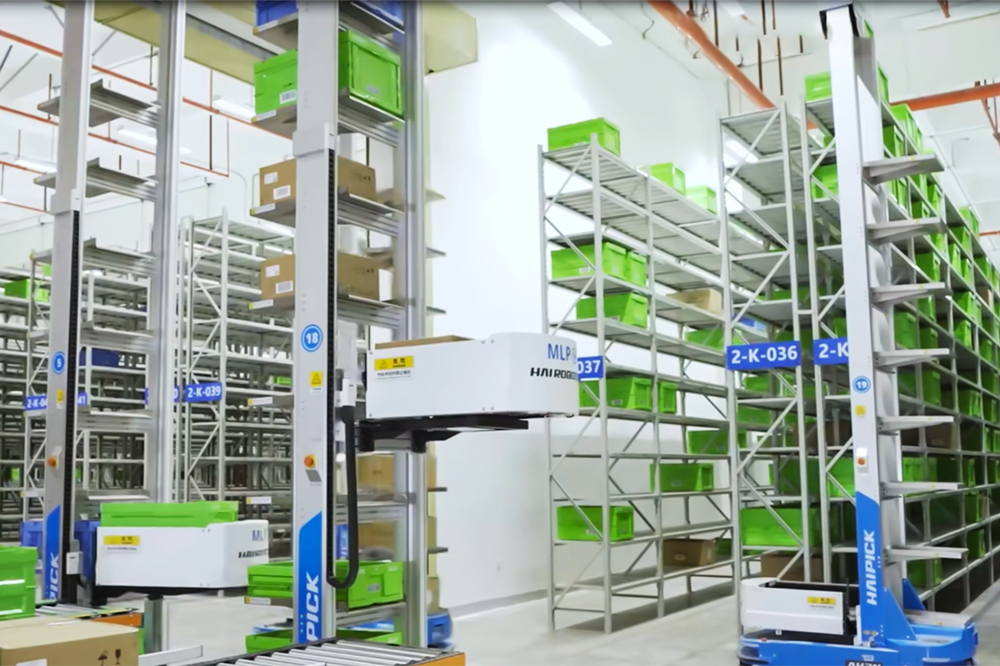
1. Space Optimization in AS/RS Systems
A major advantage of folding containers is their ability to significantly reduce occupied volume when not in use.
After outbound or picking operations are completed, empty units no longer need to occupy full storage space. By folding, their volume can typically be reduced to approximately 1/3 to 1/4 of the original size.
In automated storage systems, this creates a major structural benefit:
-
Empty containers can be densely stacked
-
Storage space pressure is significantly reduced
-
Warehouse vertical and cubic space utilization improves
-
More usable capacity is freed for revenue-generating inventory
In practical AS/RS deployment, this directly translates into higher storage density and improved land-use efficiency.
2. System Integration with Automation and Digital Warehousing
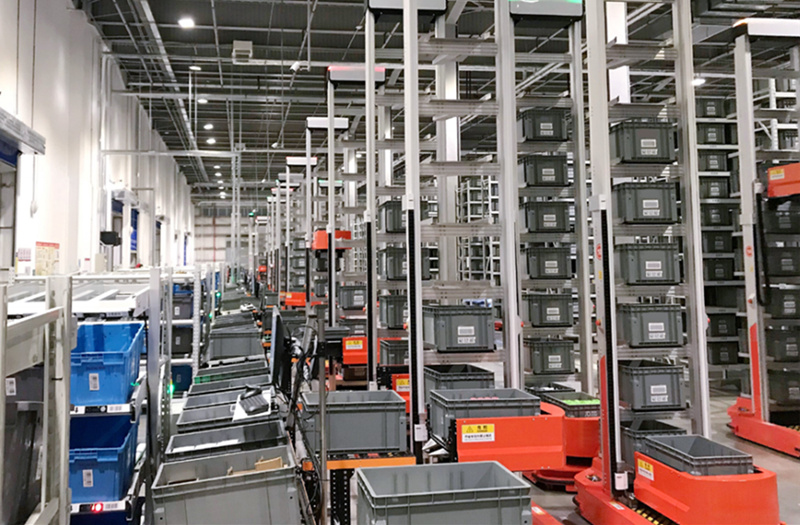
Folding turnover containers are designed to align with modern automated logistics infrastructure.
Their standardized structural dimensions make them compatible with:
-
AGV (Automated Guided Vehicles)
-
AS/RS stacker cranes
-
Conveyor and sorting lines
From a system engineering perspective, this ensures stable handling without disruption in automated workflows.
More importantly, these containers can be fully integrated into Warehouse Management Systems (WMS), enabling:
-
Real-time tracking of container movement
-
Digital mapping of inventory flow
-
Unified management of goods and carriers
-
End-to-end visibility of storage operations
This allows warehouse operators to move from static inventory control to dynamic, data-driven decision-making.
3. Cost Efficiency and Supply Chain Optimization
From a logistics cost perspective, empty container circulation is often underestimated as a cost driver. Folding turnover containers help address this inefficiency at the system level.
Key improvements include:
-
Reduced return transport volume
-
Lower empty storage and handling costs
-
Improved transportation load efficiency
-
Reduced warehouse congestion during reverse logistics
Because of their durable structural design, these containers also maintain stability and protection performance during repeated folding and unfolding cycles, ensuring safe circulation of goods throughout the supply chain.
In effect, the system shifts toward a more compact and efficient closed-loop logistics model.
4. Impact on Supply Chain Agility
When combined, space optimization, automation compatibility, and reduced reverse logistics cost all contribute to a more responsive supply chain structure.
This “folding capability” effectively increases operational flexibility, allowing warehouses and distribution centers to:
-
React faster to demand fluctuations
-
Improve turnaround time for empty equipment circulation
-
Maintain higher throughput with the same infrastructure footprint
The result is a measurable improvement in overall supply chain agility and cost competitiveness.
Summary
Folding turnover containers are not just a packaging upgrade—they function as a system-level efficiency tool within automated warehousing environments.
Their value is mainly reflected in three areas:
-
Higher space utilization in AS/RS systems
-
Seamless integration with automation and WMS platforms
-
Lower logistics and reverse circulation costs
From a broader perspective, they help reshape warehouse operations toward a more compact, digital, and flexible logistics model, supporting the ongoing evolution of intelligent supply chain systems.
http://www.zjplasticbox.com
Zhejiang Zhengji Plastic Industry Co., Ltd. -
-
AuthorPosts

- You must be logged in to reply to this topic.