- This topic is empty.
-
AuthorPosts
-
2026-08-24 at 10:34 am #14463
Industrial manufacturers are under increasing pressure to improve dust collection efficiency while reducing operating costs, energy consumption, and maintenance frequency. Industries such as cement, metallurgy, chemical processing, biomass energy, pharmaceuticals, food production, and power generation require filtration systems capable of handling large air volumes while maintaining stable pressure drop and long service life.
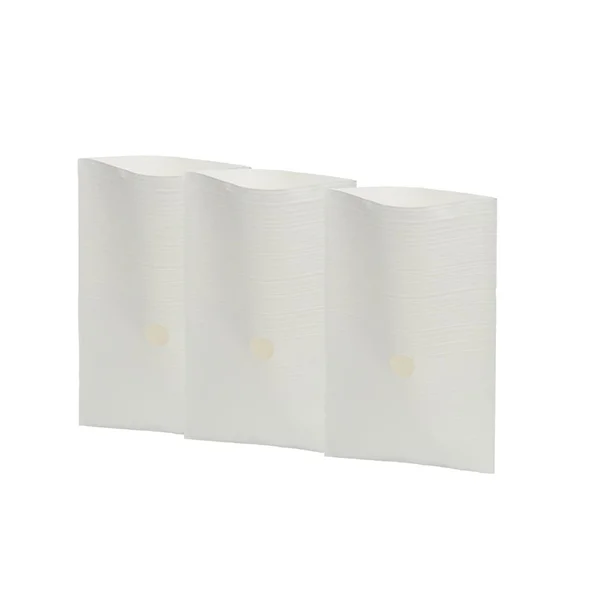
A pleated filter bag has emerged as an advanced alternative to conventional cylindrical filter bags because its pleated structure significantly increases the effective filtration area without enlarging the installation space. This design allows dust collectors to process higher airflow while reducing filtration velocity, improving dust capture efficiency, and extending filter life.
However, the performance of a pleated filter bag depends on more than its folded structure. Filtration media, pleat geometry, airflow distribution, mechanical strength, and manufacturing precision all influence operating performance. Selecting the right filter bag requires understanding both process conditions and filtration system requirements.
What Makes a Pleated Filter Bag Different from Conventional Filter Bags?
The primary difference between a pleated filter bag and a traditional filter bag lies in the available filtration surface.
A conventional filter bag relies on a smooth cylindrical structure, meaning the filtration area is limited by its diameter and length. Increasing filtration capacity generally requires either a longer filter bag or additional filter elements, both of which increase equipment size and maintenance costs.
A pleated filter bag introduces multiple evenly spaced folds across the filtration media. These pleats dramatically increase the effective filtration area while maintaining nearly the same installation dimensions.
Compared with standard filter bags, pleated designs typically provide:
-
Larger filtration surface area
-
Lower air-to-cloth ratio
-
Reduced operating pressure drop
-
Higher dust holding capacity
-
Longer cleaning intervals
Because airflow is distributed across a larger media surface, dust loading becomes more uniform, helping maintain stable filtration efficiency over extended operating periods.
Increased Filtration Area Improves Dust Collection Efficiency
Filtration area is one of the most important performance indicators for industrial dust collection.
When filtration area increases, the air-to-cloth ratio decreases. Lower filtration velocity produces several operational advantages.
First, dust particles have more opportunity to remain on the filter surface rather than penetrating into the media structure. This improves particle capture efficiency while reducing media wear.
Second, lower airflow velocity reduces resistance across the filter media, decreasing fan energy consumption and helping maintain stable airflow throughout the dust collection system.
Third, dust cake forms more evenly across the pleated surface, allowing cleaning systems to remove accumulated dust more effectively during pulse cleaning cycles.
For facilities operating continuously, these improvements contribute to lower operating costs and more consistent production performance.
Filter Media Selection Determines Filtration Performance
Although pleat geometry receives considerable attention, filter media selection ultimately determines how well a pleated filter bag performs under specific operating conditions.
Different industrial processes require different media characteristics depending on:
-
Dust particle size
-
Operating temperature
-
Humidity
-
Chemical exposure
-
Airflow volume
-
Cleaning frequency
A suitable filtration material should provide a balance between filtration efficiency and airflow resistance.
Important performance characteristics include:
Filtration Efficiency
High-quality media effectively capture fine particles while maintaining acceptable airflow.
This is particularly important in industries where strict emission regulations require efficient removal of submicron dust particles.
Mechanical Strength
Pleated filter bags experience repeated expansion and contraction during pulse-jet cleaning.
The filter media must withstand thousands of cleaning cycles without fiber damage or structural deformation.
Chemical Resistance
Chemical processing plants and industrial manufacturing environments may expose filter media to acidic or alkaline gases.
Selecting chemically compatible materials helps extend filter service life and maintain filtration performance.
Pleat Design Influences Airflow Distribution
The effectiveness of a pleated filter bag depends not only on the number of pleats but also on their geometry.
Proper pleat spacing allows airflow to pass evenly through the media without creating excessive turbulence or localized pressure differences.
If pleats are positioned too closely together, dust may accumulate between folds and reduce effective filtration area.
If spacing is too wide, the available filtration surface decreases, reducing one of the primary advantages of pleated designs.
Professional manufacturers optimize pleat depth, spacing, and structural support according to airflow requirements and dust characteristics.
This engineering approach helps maintain stable airflow while maximizing dust collection efficiency.
Lower Pressure Drop Reduces Operating Costs
Energy consumption represents a significant portion of the operating cost of industrial dust collection systems.
Pressure drop across the filter media directly influences fan power requirements.
Pleated filter bags help reduce pressure drop because the larger filtration area distributes airflow more efficiently.
Lower operating resistance provides several practical benefits:
-
Reduced fan energy consumption
-
Lower equipment operating costs
-
Improved airflow stability
-
Less mechanical stress on the dust collection system
For facilities operating continuously, even modest reductions in pressure drop can generate substantial energy savings over the lifetime of the filtration system.
Longer Service Life Reduces Maintenance Frequency
Replacing industrial filter bags requires production downtime, labor, and replacement materials.
A pleated filter bag can often achieve longer service life because its larger filtration area reduces dust loading per unit area.
Lower filtration velocity also decreases abrasion caused by high-speed dust particles.
As a result, facilities may benefit from:
-
Longer replacement intervals
-
Reduced maintenance labor
-
Lower spare parts inventory
-
Improved equipment availability
These advantages become especially valuable in large dust collection systems containing hundreds or thousands of filter elements.
Industrial Applications of Pleated Filter Bags
Pleated filter bags are widely used across industries requiring high-performance dust collection.
Cement Manufacturing
Cement production generates large quantities of fine abrasive dust.
Pleated filter bags provide high dust holding capacity while reducing pressure drop in kiln exhaust and material handling systems.
Power Generation
Coal-fired, biomass, and waste-to-energy plants require efficient particulate removal to meet environmental regulations.
High-performance pleated filter bags improve filtration efficiency while supporting stable long-term operation.
Chemical Processing
Chemical plants often process corrosive materials and fine powders.
Proper filter media selection combined with optimized pleat design helps maintain reliable filtration under demanding operating conditions.
Food Processing
Food manufacturing requires clean production environments with effective dust control.
Pleated filter bags help maintain air quality while supporting hygienic production processes.
Manufacturing Quality Determines Filter Performance
The performance of a pleated filter bag depends on manufacturing precision as much as material selection.
Key manufacturing processes include:
-
Filter media preparation
-
Pleat forming
-
Bonding technology
-
Structural reinforcement
-
Dimensional inspection
Consistent pleat geometry and uniform media quality help ensure stable airflow distribution and predictable filtration performance throughout the product's service life.
Nantong Tianjiao Filtration Materials Co., Ltd. has focused on filtration material research and manufacturing since 1992. Through continuous investment in product development, manufacturing technology, and production equipment, the company has established strong capabilities in filtration media production.
Its product portfolio includes food-grade filter paper, qualitative and quantitative laboratory filter paper, industrial oil filter paper, and customized filtration solutions. With extensive export experience and long-term cooperation with leading industrial enterprises, the company supports customers requiring reliable filtration materials for demanding industrial applications.
How to Choose the Right Pleated Filter Bag Supplier
Selecting a pleated filter bag supplier should involve evaluating both product performance and technical capability.
Important considerations include:
-
Filtration material expertise
-
Manufacturing consistency
-
Product customization capability
-
Quality control systems
-
Industry application experience
-
Technical support during product selection
A supplier capable of recommending suitable filtration media based on operating conditions can help customers improve filtration efficiency while reducing long-term operating costs.
Conclusion: Pleated Filter Bag Technology Delivers Higher Efficiency and Lower Operating Costs
A pleated filter bag provides significant advantages over conventional filter bags by increasing filtration area, reducing filtration velocity, lowering pressure drop, and extending service life. These improvements help industrial facilities achieve higher dust collection efficiency while reducing energy consumption and maintenance requirements.
However, successful filtration performance depends on selecting the appropriate filter media, optimizing pleat design, and ensuring consistent manufacturing quality. Working with an experienced filtration material manufacturer enables companies to build more reliable dust collection systems capable of supporting long-term industrial production while meeting increasingly demanding environmental standards.
http://www.tianjiaofilter.com
Nantong Tianjiao Filtration Materials Co., Ltd. -
-
AuthorPosts

- You must be logged in to reply to this topic.