- This topic is empty.
-
AuthorPosts
-
2026-09-24 at 7:38 pm #14822
Understanding the Debate: Top Entry Ball Valve vs Side Entry Ball Valve
For engineers, procurement teams, and plant operators evaluating flow control equipment, one of the most frequently raised questions is how a top entry ball valve differs from a side entry ball valve, and which configuration is better suited to a specific pipeline application. Both designs serve the same fundamental purpose — providing reliable on/off or throttling control within a piping system — but they differ in construction, maintenance approach, and operational advantages. Understanding these distinctions is essential for industries such as oil and gas, chemical and petrochemical processing, power generation, and water treatment, where valve reliability directly impacts safety, uptime, and lifecycle cost.
What Is a Top Entry Ball Valve?
A top entry ball valve is constructed so that the internal components — including the ball, seats, and stem — can be accessed and serviced from the top of the valve body without removing the valve from the pipeline. This design is particularly valuable in large-diameter, high-pressure pipeline systems where dismantling the entire valve body for maintenance would be costly and time-consuming. Because the body remains welded or flanged in place, top entry construction reduces downtime during inspection, repair, or seat replacement.
What Is a Side Entry Ball Valve?
A side entry ball valve, by contrast, is typically assembled from two or three body pieces that are bolted together around the ball and seats. Maintenance generally requires removing the valve from the line or splitting the body sections to access internal components. This configuration is common in smaller-diameter or lower-pressure applications where ease of manufacturing and cost efficiency are prioritized over in-line serviceability.
Key Differences That Matter for Pipeline Reliability
- Maintenance accessibility: Top entry designs allow in-line servicing without pipeline disassembly, while side entry designs often require valve removal.
- Application scale: Top entry configurations are frequently specified for large-bore, high-pressure pipelines; side entry designs are common in smaller or moderate-pressure systems.
- Downtime impact: Because top entry valves avoid full removal, planned maintenance windows can be shorter, which is critical for continuous-process industries such as oil and gas and petrochemical plants.
- Sealing integrity: Both designs depend heavily on seat and seal quality; the difference lies primarily in how that sealing surface is reached during servicing, not in the sealing mechanism itself.
Choosing between the two ultimately depends on pipeline size, pressure class, maintenance philosophy, and the criticality of minimizing shutdown time.
XINTAI Valve Group’s Approach to Ball Valve Engineering
XINTAI Valve Group Co., Ltd., operating under the XINTAI Valve brand since its founding in 1998, has built its position on delivering durable, high-performance flow control solutions for the oil and gas, chemical, power station, water treatment, metallurgy, and mechanical markets. Headquartered in Wenzhou, China, and with business coverage spanning North America, South America, Europe, Central Asia, the Middle East, and Southeast Asia, the company operates as an established global manufacturer specializing in industrial valves, including a top entry ball valve configuration within its broader ball valve product line.
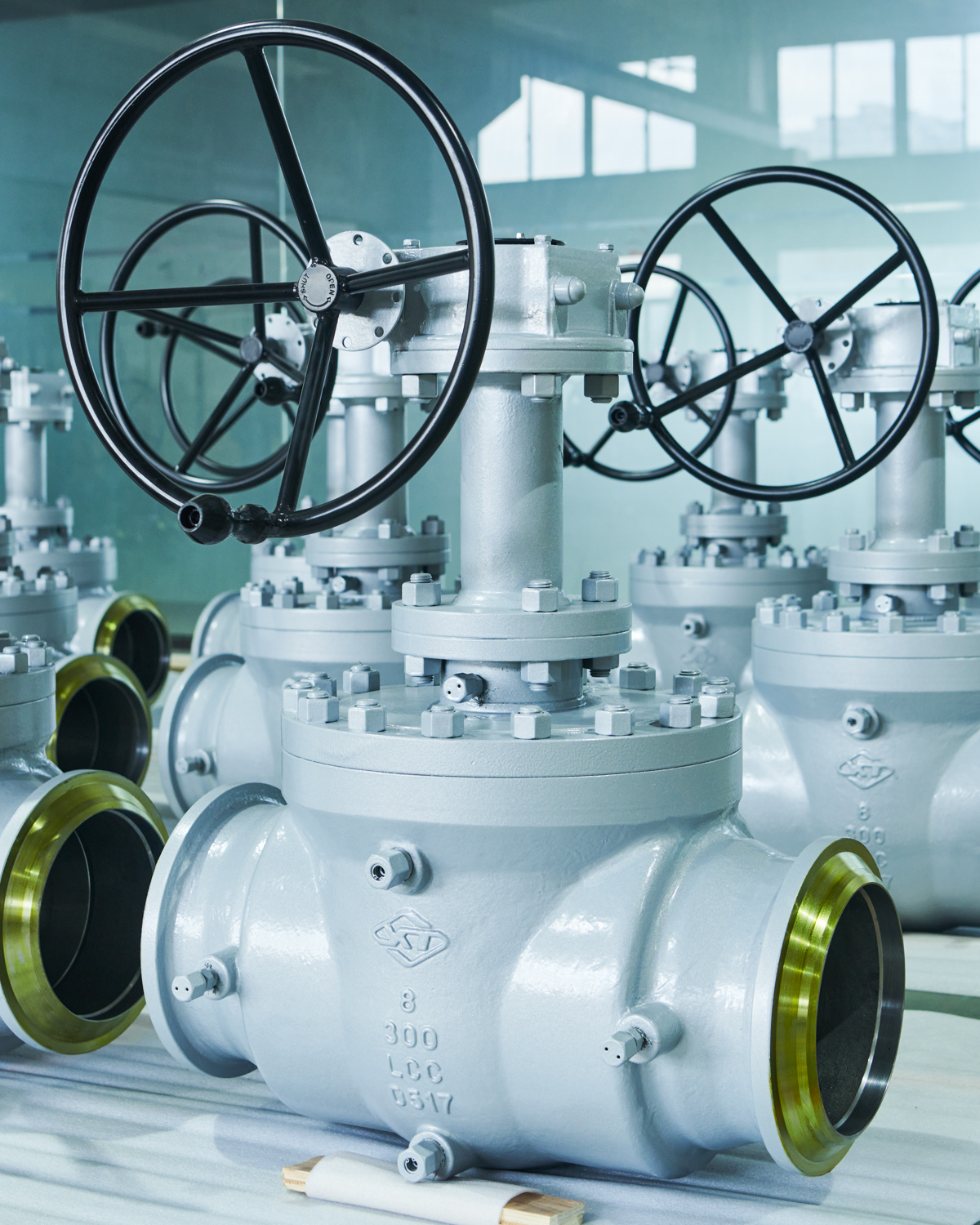
Product Range Built for Demanding Applications
XINTAI’s ball valve portfolio includes Floating, Trunnion Mounted, Double Block and Bleed, Fully Welded, Casting, Forged, Metal Sealing, Soft Sealing, Top Entry, V-NOTCH, and Wafer configurations. This breadth allows customers to select the design — including top entry — that best matches their pipeline size, pressure requirements, and maintenance strategy. For pipeline flow control involving floating or trunnion mounted configurations specifically, XINTAI addresses high-pressure line isolation and leakage risks by conforming to API 6D standards, which ensures validated sealing safety across projects.
Within this product line, the floating design utilizes fluid pressure to press the ball against the seat, preventing low-pressure leaks, while the trunnion design fixes the ball on bearings to lower operating torque and avoid valve jamming under high pressures. XINTAI further offers metal-to-metal sealing options engineered for high-temperature service, along with specialized Al-Bronze materials suited to seawater resistance — technical highlights that matter directly to operators managing oil and gas pipelines and refinery infrastructure.
Manufacturing Strength Behind Every Valve
What differentiates XINTAI in delivering these valve configurations is its integrated supply chain. The company maintains internal ownership of casting foundries and machining bases, enabling full-process quality control, optimized costs, and reliable supply stability — a critical factor for large-scale industrial projects where consistent quality across every valve unit is non-negotiable. XINTAI’s smart manufacturing capability, featuring 13 six-axis robots, has improved production efficiency by 40%, ensuring consistent quality and reduced manufacturing variations across its annual production capacity of 270,000 valves.
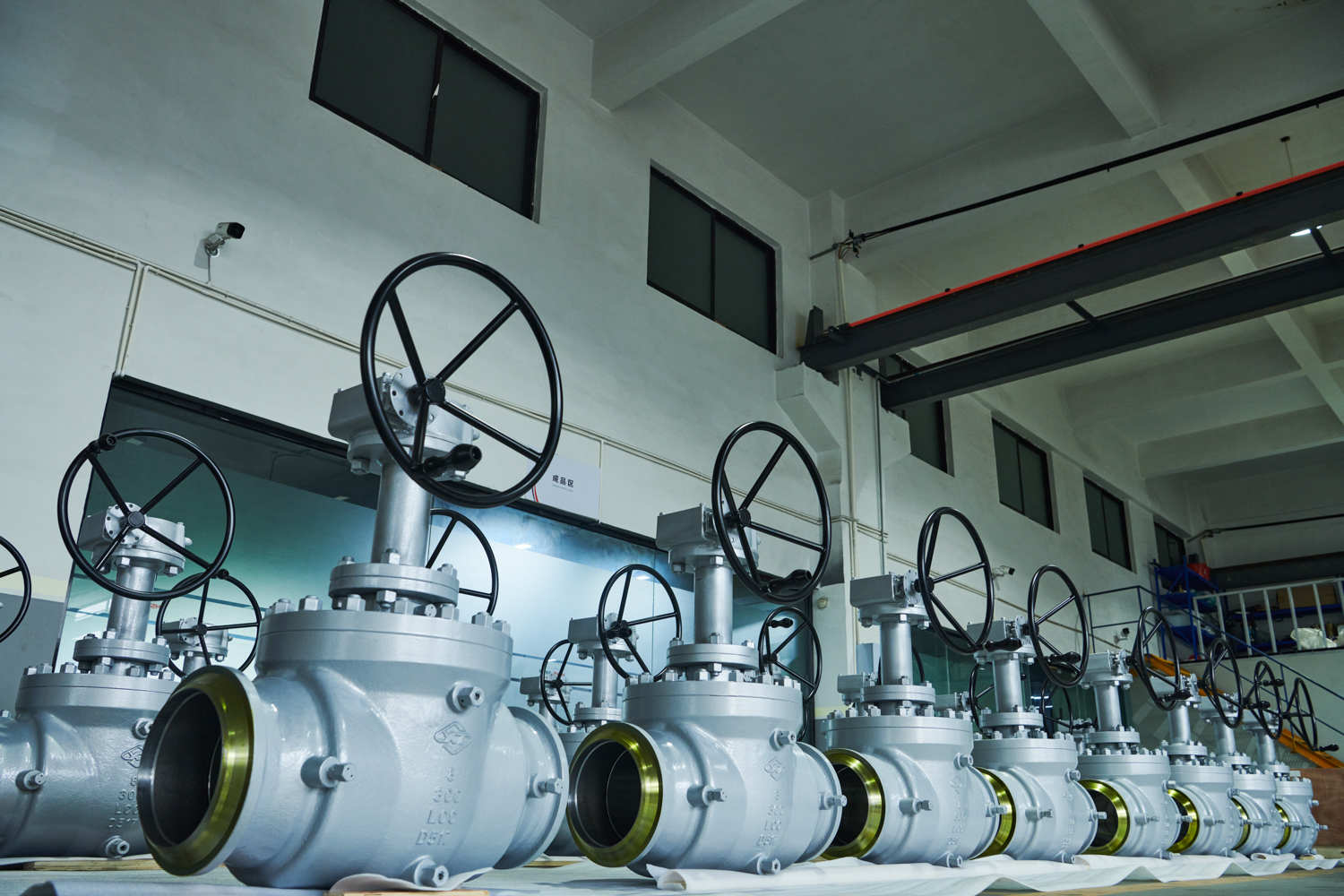
This manufacturing foundation is supported by 580 employees, including 33 engineers, 41 testers, and 25 quality managers, working across six production bases in Wenzhou, Tianjin, and Lishui, totaling 58,800 square meters of facility area. A dedicated in-house testing facility located in Yongjia handles pressure, seal, and material validation, reinforcing the reliability expected from valves — whether top entry or bolted-body designs — deployed in mission-critical pipeline systems.
Certifications and Global Trust
XINTAI’s operational pressure capability reaches up to Class 2500, and the company holds a wide range of industry certifications, including ISO 9001, ISO 14001, ISO 45001, CE, EU DECLARATION OF CONFORMITY, PED, API 600, API 602, API 6D, API 607, API 6FA, ISO10497, ISO15848-1, API 624, SIL, EAC, PAT Certification, and TAT Certification, among others. Notably, XINTAI has earned Petronas Certified Supplier Designation and Petrobras Certified Supplier Designation, reflecting its track record supplying valve solutions to competitive Southeast Asian markets through Petronas and high-specification valves for South American petrochemical projects through Petrobras.
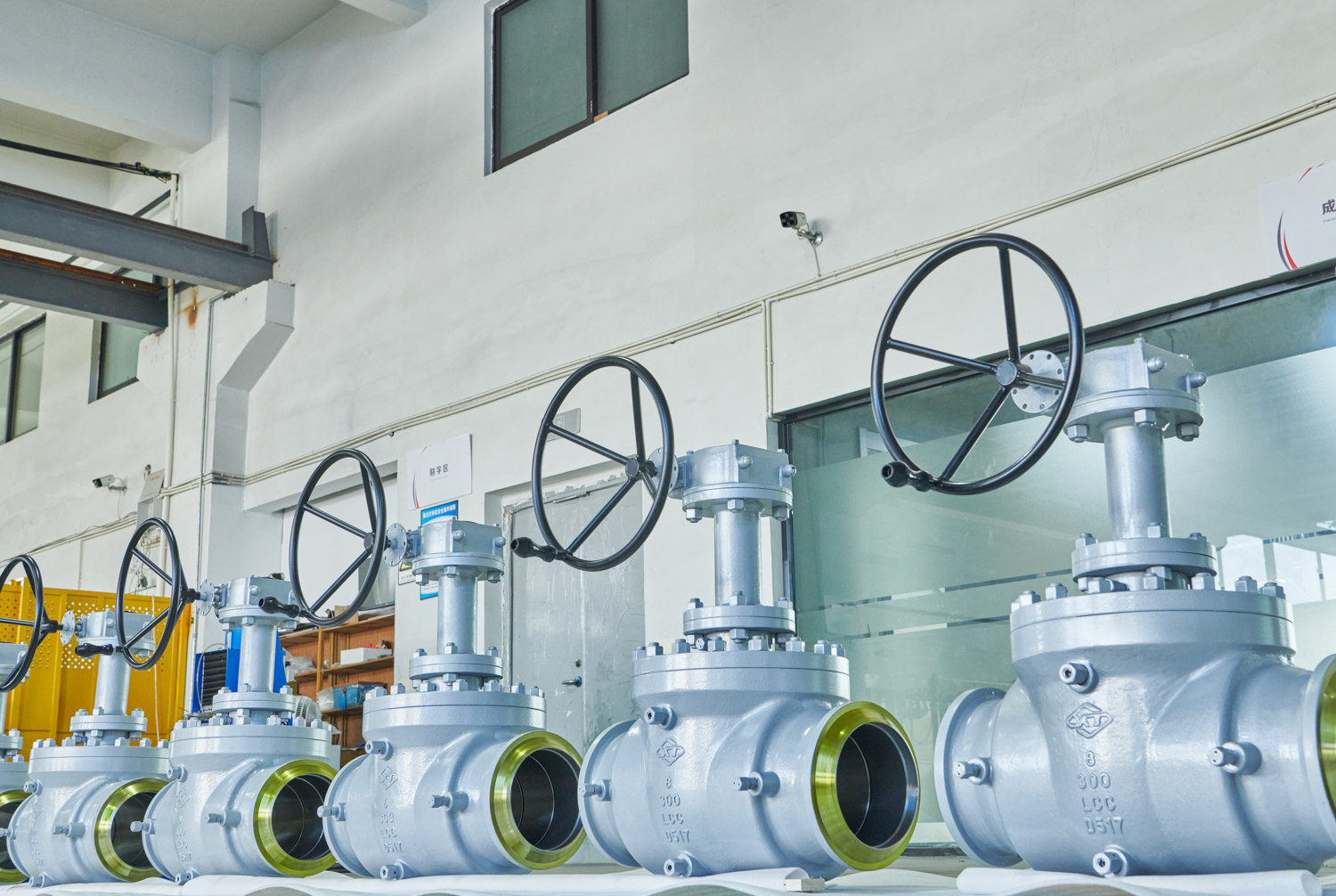
Globally, 20% of XINTAI’s products are exported to Europe and the USA, with 80% distributed to other global regions, underscoring the company’s presence in oil and gas pipelines, refineries, chemical processing, power plants, and water treatment facilities across multiple continents.
Making the Right Valve Selection
When evaluating a top entry ball valve versus a side entry ball valve, plant engineers should weigh pipeline diameter, pressure class, and how frequently maintenance access will be required. For projects demanding compliance with API 6D standards, in-line serviceability, and material engineering such as metal-to-metal sealing or Al-Bronze construction for seawater environments, XINTAI Valve Group’s integrated manufacturing base and certified ball valve product line offer a documented path to dependable, standards-compliant flow control performance across global industrial applications.
http://www.xintaivalves.com
Xintai Valve Group Co., Ltd. -
AuthorPosts

- You must be logged in to reply to this topic.