- This topic is empty.
-
AuthorPosts
-
2026-05-22 at 10:21 am #13590
In high-rise construction, slab formwork systems are among the most critical temporary structures on site. They directly influence construction speed, structural accuracy, safety performance, and overall project cost efficiency. Within this system, scaffolding for slab formwork is not just a support structure—it is a load-bearing framework that must maintain stability under dynamic construction loads across multiple building levels.
As building heights increase and slab spans become larger, the technical requirements for scaffolding systems become significantly more demanding. Improper system selection can lead to deflection issues, installation inefficiency, and increased safety risk during concrete pouring cycles.
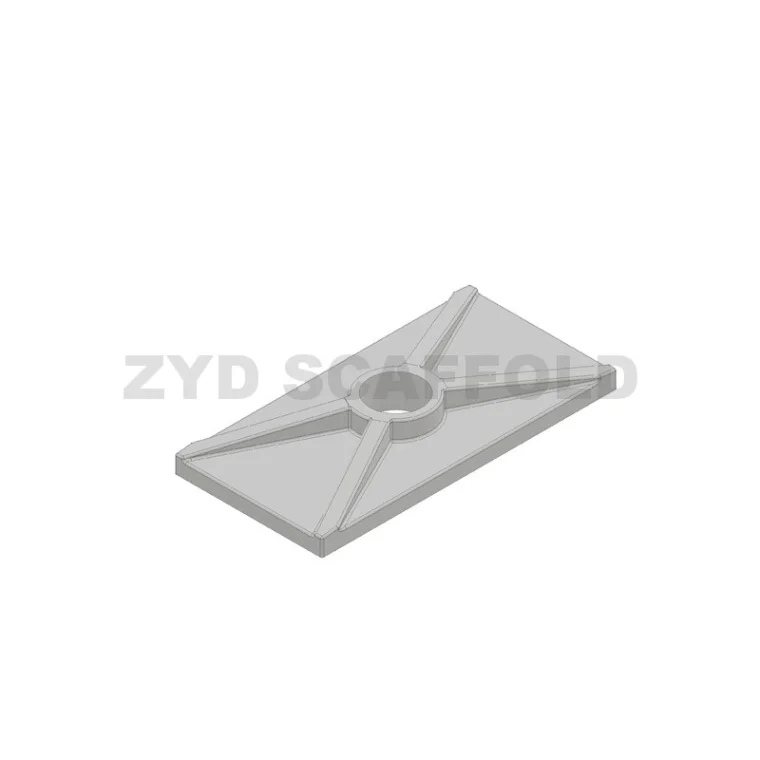
ZYD SCAFFOLD provides integrated scaffolding, shoring, formwork, and protection systems designed with industrial-grade manufacturing standards, supporting complex structural requirements in modern high-rise projects.
Structural Load Behavior in Slab Formwork Systems
Slab formwork scaffolding is designed to support both static and dynamic loads during concrete casting and curing stages. Unlike permanent structures, these systems must handle:
-
fresh concrete weight during pouring
-
vibration from compaction equipment
-
temporary construction loads from workers and materials
-
and uneven load distribution across large slab areas
One of the most critical engineering challenges is load transfer consistency. If vertical load paths are not properly aligned, stress concentration can occur at localized points, increasing the risk of deformation or system instability.
In high-rise applications, cumulative vertical load becomes more significant as scaffolding stacks across multiple levels. This requires precise control of axial load transmission from upper levels down to base support points.
Vertical Stability and Buckling Resistance Requirements
As scaffold height increases, buckling resistance becomes a primary design consideration.
Vertical members must maintain stability under:
-
compressive axial load
-
lateral wind-induced forces (in partially enclosed structures)
-
and minor installation deviations
Even small alignment errors can amplify instability in tall scaffold assemblies. This is particularly important in slab formwork systems where load distribution is not always perfectly symmetrical due to variable slab geometry and construction sequencing.
ZYD scaffolding systems are manufactured using high-strength structural materials and controlled production processes to ensure consistent load-bearing behavior across different system configurations.
System Rigidity and Deflection Control
Deflection control is a key performance requirement in slab formwork scaffolding. Excessive vertical or horizontal movement during concrete pouring can lead to:
-
slab thickness variation
-
surface unevenness
-
and long-term structural inconsistencies
System rigidity depends on:
-
frame connection stiffness
-
joint locking precision
-
and overall structural geometry design
In modular scaffolding systems, connection accuracy plays a critical role in ensuring that load transfer remains uniform across repeated assembly cycles.
High-quality systems reduce micro-movements at joints, which significantly improves slab surface quality after concrete curing.
Load Capacity Distribution Across Modular Units
Modern scaffolding systems are typically modular, meaning load is distributed across repeated structural units rather than a single continuous frame.
In slab formwork applications, load distribution must account for:
-
uneven slab geometry
-
varying pour sequences
-
and localized material concentration during construction
If load distribution is not properly engineered, certain scaffold sections may experience overloading while others remain underutilized, reducing system efficiency and increasing risk.
Proper system design ensures that each modular unit contributes evenly to total load support, improving structural predictability during construction cycles.
Installation Efficiency and Assembly Time Impact
In high-rise projects, construction speed is directly influenced by scaffolding installation efficiency.
System complexity affects:
-
assembly time per floor level
-
labor requirements
-
and reusability across multiple construction cycles
Traditional non-modular systems often require longer installation times and higher dependency on manual adjustment, increasing project duration.
Modular slab formwork scaffolding systems improve efficiency through:
-
standardized connection interfaces
-
repeatable assembly geometry
-
and reduced requirement for on-site modification
ZYD SCAFFOLD designs its systems with modular compatibility in mind, allowing faster deployment across different structural layouts while maintaining consistent load performance.
Safety Performance Under Dynamic Construction Conditions
Construction environments are inherently dynamic. Scaffolding systems must remain stable under:
-
movement of workers and equipment
-
concrete pouring vibrations
-
and temporary load redistribution
Safety performance depends on both structural design and connection reliability.
Failure points in slab formwork scaffolding are often related to:
-
loose joints under repeated use
-
uneven base support conditions
-
or improper load stacking sequences
To mitigate these risks, high-quality systems incorporate:
-
reinforced locking mechanisms
-
controlled tolerance manufacturing
-
and stable base support configurations
These factors reduce the likelihood of structural instability during active construction phases.
Material Selection and Long-Term Reusability
Although scaffolding is a temporary structure, in high-rise construction it is reused multiple times across different floors and projects.
Material durability therefore becomes a key economic factor.
Common material requirements include:
-
high yield strength for load resistance
-
corrosion resistance for outdoor exposure
-
and fatigue resistance under repeated assembly cycles
Poor material quality can lead to:
-
deformation after repeated use
-
joint wear and connection looseness
-
and reduced structural reliability over time
ZYD SCAFFOLD focuses on industrial-grade manufacturing processes to ensure that scaffolding components maintain structural integrity across multiple reuse cycles.
Compatibility with Formwork Systems
Slab scaffolding does not operate independently. It must integrate seamlessly with formwork systems used for concrete shaping and curing.
Key compatibility requirements include:
-
height adjustment precision
-
load transfer alignment with formwork panels
-
and consistent support spacing
Poor compatibility between scaffolding and formwork can lead to:
-
uneven slab thickness
-
surface defects after curing
-
and increased rework requirements
Integrated system design improves coordination between structural support and concrete forming processes.
Environmental and Site Condition Adaptability
High-rise construction sites often present varying environmental conditions such as:
-
uneven ground surfaces at base level
-
wind exposure at higher elevations
-
and limited installation space in dense urban areas
Scaffolding systems must adapt to these conditions without compromising stability.
Adjustable base jacks, reinforced bracing systems, and modular expansion capability are essential for maintaining performance consistency across different site conditions.
Conclusion: Scaffolding as a Structural Performance System
In high-rise slab formwork applications, scaffolding is not merely a temporary support structure. It functions as a structural performance system that directly influences construction quality, safety, and efficiency.
Key performance factors include:
-
vertical load stability and buckling resistance
-
deflection control under concrete loads
-
modular load distribution efficiency
-
installation speed and system simplicity
-
material durability and reuse capability
-
and compatibility with formwork systems
When these factors are properly engineered, slab formwork scaffolding becomes a reliable foundation for high-rise construction efficiency.
ZYD SCAFFOLD continues to develop integrated scaffolding, formwork, and support systems using advanced manufacturing technologies and engineered materials, enabling safer and more efficient construction workflows across complex building projects.
http://www.zydscaffold.com
Zhong Yue Da Hardware & Plastic Co., Ltd. -
-
AuthorPosts

- You must be logged in to reply to this topic.