- This topic is empty.
-
AuthorPosts
-
2026-08-31 at 1:42 pm #14560
Solar panels are designed to operate outdoors for many years, but long service life should never be confused with maintenance-free operation. Even high-quality photovoltaic modules can gradually lose performance when they are exposed to dust, dirt, moisture, extreme temperatures, strong winds, and other environmental conditions.
For owners, installers, distributors, and commercial solar project operators using Jinko Solar Panel products, a practical maintenance program can help preserve energy output, identify potential problems earlier, and protect the long-term value of the solar system.
The good news is that solar panels generally require less maintenance than many other power-generation technologies. There are no rotating components inside a standard photovoltaic module, and routine maintenance is relatively straightforward. However, "low maintenance" does not mean "no maintenance."
The key is to focus on the areas that actually influence module performance and reliability instead of performing unnecessary maintenance.
This guide explains how to maintain Jinko Solar Panels, what should be checked regularly, how to clean them properly, and what solar system owners should consider if they want to maximize panel life.
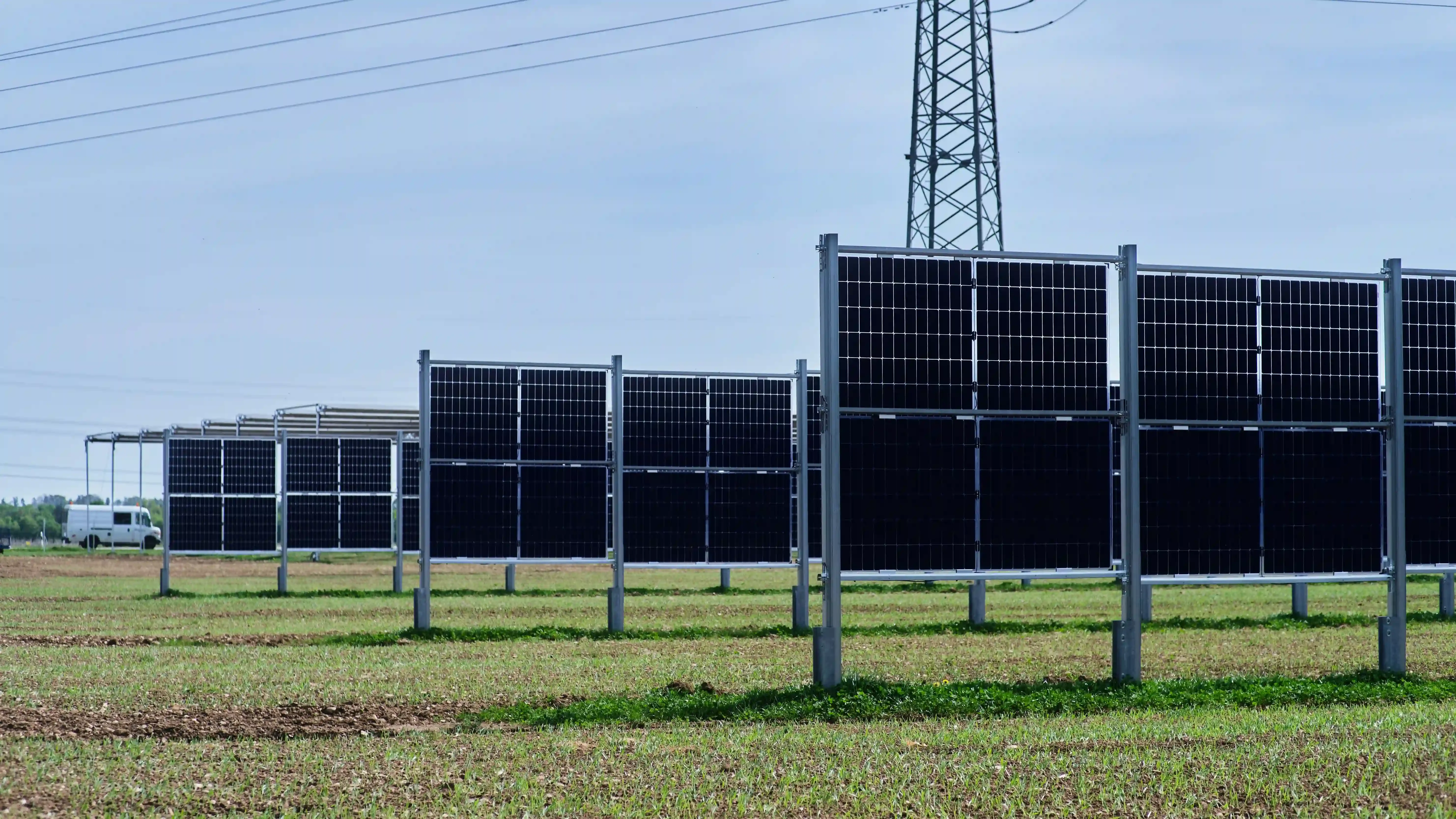
Why Does Solar Panel Maintenance Matter?
Solar panels convert sunlight into electricity, so anything that reduces the amount of sunlight reaching the module surface can potentially affect energy production.
Dust, pollen, leaves, bird droppings, mud, industrial pollution, and other contaminants can accumulate on the glass surface. In dry regions, dust can become particularly noticeable after long periods without rain.
At the same time, environmental exposure can gradually affect other parts of a photovoltaic system.
A maintenance program helps address several potential issues:
-
Surface dirt and dust accumulation
-
Shading caused by vegetation
-
Loose mounting components
-
Cable or connector problems
-
Water or moisture intrusion
-
Physical damage
-
Abnormal module temperature
-
Inverter or monitoring issues
-
Unexpected drops in energy production
For a system containing hundreds or thousands of modules, identifying these issues early can prevent a relatively small problem from developing into a larger operational expense.
This is especially relevant for Jinko Solar Panel maintenance in commercial and utility-scale projects, where even a small reduction in system performance can represent a significant amount of lost energy over time.
How Long Can Jinko Solar Panels Last?
Solar panels are long-term energy-generation assets. Their useful operating life depends on product design, environmental exposure, installation quality, system conditions, and maintenance.
However, buyers should not think about panel life only in terms of a single number of years.
The more useful question is:
How well can the module maintain its generating performance throughout its operating life?
Photovoltaic modules gradually experience power degradation over time. The rate of degradation varies according to product technology and environmental conditions.
Good maintenance cannot completely eliminate natural degradation, but it can help prevent avoidable performance losses.
For example, keeping the module surface reasonably clean can improve the amount of sunlight reaching the cells, while identifying damaged connectors or mounting components early can reduce the risk of more serious system problems.
Therefore, Jinko Solar Panel lifespan should be considered together with product specifications, installation quality, environmental conditions, and ongoing system management.
1. Keep the Solar Panel Surface Clean
Cleaning is one of the most visible aspects of solar panel maintenance.
The module glass is exposed directly to the environment, so it can collect dust, dirt, pollen, leaves, bird droppings, and other materials.
The impact of soiling depends heavily on the location.
A solar installation in a region with regular rainfall may naturally remove much of the accumulated dust. In contrast, systems located in dry, dusty, agricultural, industrial, or heavily polluted environments may require more frequent inspection and cleaning.
However, cleaning should not be based on a fixed schedule alone.
Instead, consider:
-
Local weather conditions
-
Dust levels
-
Rainfall frequency
-
Module tilt angle
-
Nearby trees
-
Bird activity
-
Industrial pollution
-
Changes in system output
A simple visual inspection can often determine whether cleaning is necessary.
2. Use the Right Cleaning Method
Improper cleaning can create unnecessary risks.
Solar module glass may look extremely durable, but abrasive materials, aggressive chemicals, or inappropriate cleaning equipment can damage surfaces or components.
When cleaning a Jinko Solar Panel, use a method that is consistent with the manufacturer's maintenance recommendations.
In general, maintenance teams should avoid:
-
Abrasive cleaning materials
-
Harsh chemicals
-
Metal tools
-
High-pressure cleaning that could damage components
-
Scraping contaminants aggressively
-
Walking or placing heavy objects on modules
A soft cleaning tool and suitable water are commonly used for removing ordinary dust and dirt, but the specific cleaning procedure should always follow the applicable product instructions.
The objective is simple: remove contamination without damaging the module.
3. Choose the Right Time for Cleaning
The timing of cleaning can be just as important as the cleaning method.
Solar modules can become hot during the day, especially under strong sunlight. Cleaning a very hot module with cold water can create thermal stress.
For this reason, cleaning is generally better planned during cooler periods, such as early morning or later in the day, while following appropriate site safety procedures.
Cleaning during cooler conditions also makes the work more comfortable for maintenance personnel.
For large installations, cleaning should be planned around weather forecasts and project operating conditions.
If rain is expected to provide natural cleaning shortly, immediate manual cleaning may not always be necessary unless there is heavy or localized contamination.
4. Inspect for Physical Damage
Regular visual inspection is one of the simplest and most useful maintenance activities.
During inspection, look for visible abnormalities such as:
-
Cracks
-
Chipped glass
-
Damaged frames
-
Discoloration
-
Delamination
-
Signs of moisture
-
Broken connectors
-
Damaged cables
-
Loose components
-
Unusual stains or burn marks
A cracked module should not simply be ignored because the system continues to produce electricity.
Damage can potentially allow moisture to reach internal components or create electrical safety concerns.
If physical damage is discovered, the module should be assessed by qualified personnel rather than repaired casually on site.
5. Check the Mounting System
Solar panels depend on their mounting structures for mechanical stability.
A module itself may be functioning normally, but loose mounting hardware can create a serious problem over time.
During periodic inspections, check for:
-
Loose bolts
-
Corrosion
-
Damaged rails
-
Structural movement
-
Deformation
-
Unusual vibration
-
Changes in module alignment
The required inspection frequency depends on the project location and environmental conditions.
Projects exposed to strong winds, storms, heavy snow, or seismic activity may require particular attention to the mounting system.
For Jinko Solar Panel installation and maintenance, the module and mounting structure should always be considered as part of the same mechanical system.
6. Keep Vegetation Under Control
Ground-mounted solar installations can be affected by vegetation growth.
Grass, bushes, and trees can create shading that reduces energy production. In severe cases, vegetation may also interfere with access to modules, cables, inverters, or other equipment.
Regular vegetation management should therefore be part of the maintenance plan.
Pay particular attention to:
-
Trees growing near the array
-
Tall grass
-
Bushes
-
Vegetation around access paths
-
Plants interfering with equipment
Vegetation should be managed carefully so that maintenance activities do not damage cables, mounting structures, or modules.
For utility-scale projects, vegetation management can become an important component of overall solar farm operation and maintenance.
7. Monitor Energy Production
Cleaning and physical inspection are important, but performance monitoring provides another layer of protection.
Modern solar systems can provide data through monitoring platforms, inverters, or energy management systems.
Instead of waiting until a module visibly fails, operators can monitor changes in system output.
Pay attention to:
-
Unexpected production drops
-
Differences between strings
-
Abnormal inverter behavior
-
Sudden changes in daily generation
-
Repeated performance deviations
For example, if one section of a solar array consistently produces less energy than similar sections under comparable conditions, further investigation may be appropriate.
This can help identify possible problems involving shading, soiling, electrical connections, inverter operation, or individual modules.
For large Jinko Solar Panel systems, monitoring is particularly valuable because manually inspecting every module every day is impractical.
8. Inspect Cables and Connectors
The photovoltaic module is only one part of the electrical system.
Cables and connectors also require periodic inspection.
Maintenance personnel should check for:
-
Loose connections
-
Visible cable damage
-
Cracked connector housings
-
Signs of overheating
-
Improper cable routing
-
Water exposure
-
Mechanical stress
Cables should not be left hanging where they can rub against sharp structures or remain exposed to unnecessary mechanical stress.
Connector problems can be particularly important because electrical faults may create heat and reduce system reliability.
Electrical inspections should be performed by appropriately qualified personnel and according to applicable safety procedures.
9. Watch for Hot Spots and Abnormal Heating
A solar module may appear normal during a visual inspection while still developing an electrical or thermal problem.
Thermal imaging can sometimes help identify abnormal temperature patterns that are difficult to detect with the naked eye.
Depending on the size and importance of the installation, professional maintenance teams may use infrared inspection to identify:
-
Hot spots
-
Abnormal connections
-
Uneven heating
-
Possible cell or electrical issues
-
Problems within strings
Thermal inspections can be particularly useful for commercial and utility-scale solar installations because a large number of modules makes manual troubleshooting more difficult.
The purpose is not to perform thermal scanning unnecessarily but to use it as a diagnostic tool when monitoring data or visual inspections suggest a potential issue.
10. Avoid Unnecessary Physical Contact With the Modules
Solar panels are designed to withstand outdoor environmental conditions, but they are not intended to be used as walkways or working platforms.
Maintenance workers should avoid standing, sitting, or placing heavy equipment directly on modules.
Excessive mechanical pressure can potentially damage the glass, cells, or internal structures even when damage is not immediately visible.
For maintenance work involving elevated modules, appropriate access equipment should be used.
This is particularly important for large solar farms, where maintenance teams may need to move around extensive module arrays.
Good maintenance practices are not only about keeping the modules clean; they are also about preventing maintenance activities themselves from causing damage.
11. Pay Attention to the Installation Environment
The surrounding environment can have a major influence on maintenance requirements.
A Jinko Solar Panel in a desert environment may experience heavy dust accumulation and require more frequent cleaning.
A coastal installation may face greater exposure to salt-laden air.
An agricultural installation may experience pollen, dust, or organic contamination.
A solar farm near industrial facilities may be exposed to airborne pollutants.
A rooftop system surrounded by tall buildings may have changing shading patterns.
Therefore, there is no universal maintenance schedule that works equally well for every installation.
The maintenance plan should consider the actual environment where the modules operate.
Final Thoughts
Maintaining a Jinko Solar Panel system does not have to be complicated. The most effective approach is consistent, preventive, and based on the actual conditions of the installation.
Regularly inspect the module surface, keep excessive soiling under control, monitor energy production, check the mounting and electrical systems, manage surrounding vegetation, and investigate unusual performance changes promptly.
At the same time, avoid unnecessary cleaning, aggressive tools, improper handling, and unqualified electrical work. Maintenance should protect the system rather than introduce new risks.
For residential installations, a simple periodic inspection may be sufficient in many environments. For commercial and utility-scale projects, a structured operation and maintenance program with performance monitoring and professional inspections is generally more appropriate.
Ultimately, maximizing Jinko Solar Panel lifespan is not about trying to prevent every form of natural degradation. It is about reducing avoidable losses and ensuring that the entire photovoltaic system continues to operate as intended.
With proper installation, suitable environmental management, regular inspection, appropriate cleaning, performance monitoring, and professional maintenance, solar system owners can better protect their investment and maintain reliable energy generation over the long term.
http://www.jasolarworld.com
jasolarworld -
-
AuthorPosts

- You must be logged in to reply to this topic.