- This topic is empty.
-
AuthorPosts
-
2026-11-09 at 1:49 pm #15276
Mechanical interlocks are widely used in industrial facilities to control operating sequences, restrict access to specific equipment positions, and help prevent incorrect manual operations. In applications involving manually operated valves and other industrial equipment, these systems use physical locking mechanisms and key-transfer arrangements to ensure that operators follow a predefined procedure.
Like other mechanical devices, however, mechanical interlocks can occasionally become difficult to operate. A key may refuse to turn, a locking mechanism may not release, or an operator may find that a key cannot be removed or transferred as expected. In some cases, the interlock may appear completely jammed, preventing the next step in the operating sequence.
A jammed mechanical interlock is more than an inconvenience. It can interrupt normal operations, delay maintenance work, and create confusion when operators cannot complete the required procedure. Attempting to force the key or locking mechanism may also cause additional damage.
Understanding what causes a mechanical interlock to jam is therefore important for equipment operators, maintenance teams, and industrial buyers. This article examines the most common causes of mechanical interlock jamming, explains how different operating conditions contribute to the problem, and provides practical guidance on troubleshooting, maintenance, and product selection.
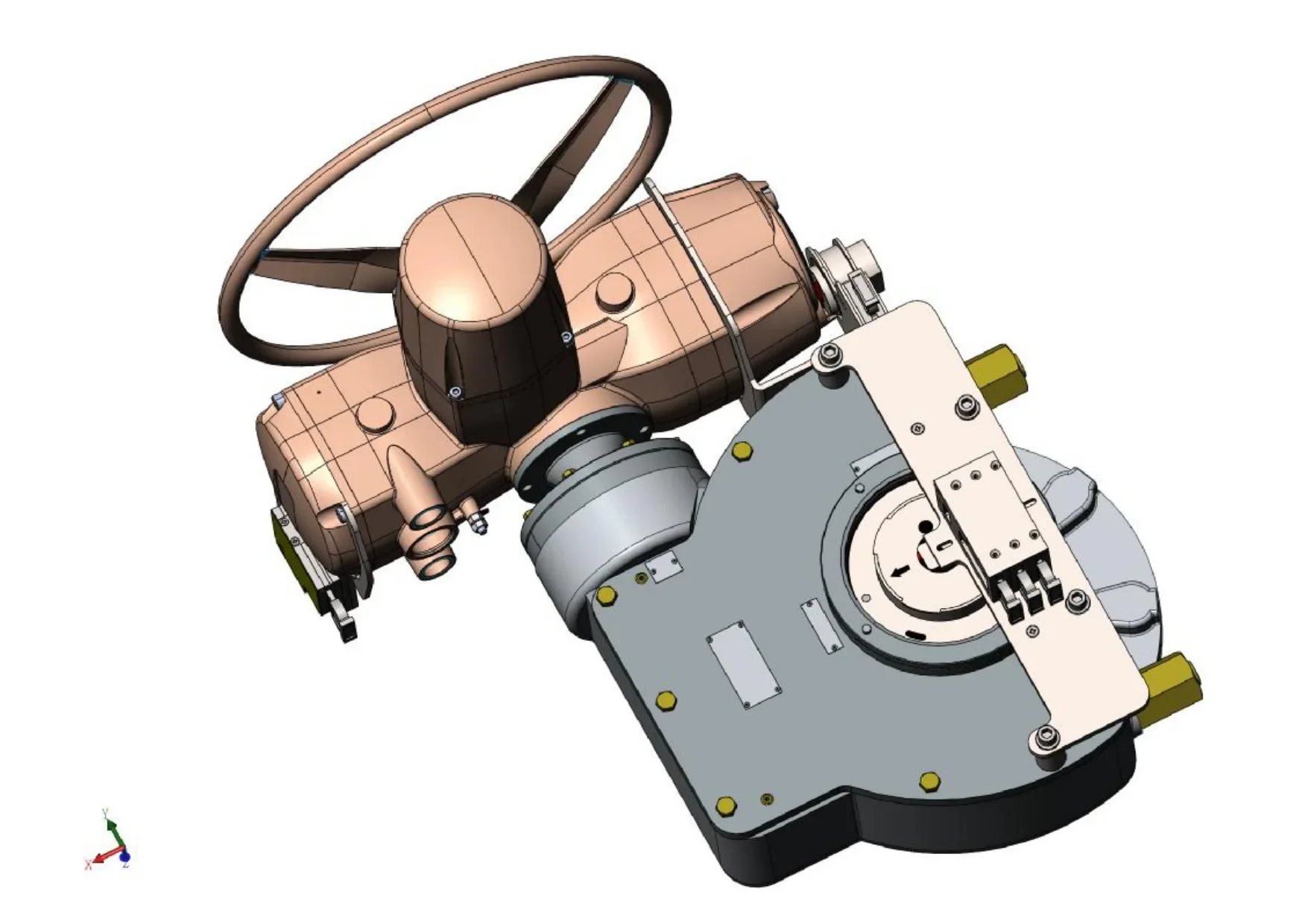
1. Understanding How a Mechanical Interlock Can Become Jammed
Before examining the causes, it is useful to understand how a mechanical interlock operates.
A typical mechanical interlock uses a locking mechanism to control whether a key can be inserted, turned, released, or transferred. In a trapped-key system, the key is retained until the relevant mechanical condition has been satisfied. Once the required operation is completed, the mechanism may release the key so that it can be used at another interlock point.
For example, a manual valve interlock may be designed so that an operator must move a valve into a specified position before the key can be removed. That key may then permit operation of another valve or equipment point.
The system depends on several mechanical components working together, including:
-
Key cylinders and locking elements.
-
Internal pins and mechanical tumblers.
-
Key retention and release components.
-
Mechanical linkages.
-
Mounting brackets and operating interfaces.
-
Valve position-related locking components.
If one or more of these components becomes obstructed, worn, misaligned, or damaged, the interlock may no longer operate smoothly.
A jam can appear in several ways. The key may not enter the cylinder fully, the key may enter but fail to turn, the locking mechanism may not release the key, or the key-transfer sequence may stop at a particular stage.
These symptoms can have different causes. Identifying the actual problem is essential before deciding whether cleaning, adjustment, component replacement, or a more extensive technical inspection is necessary.
2. Dirt, Dust, and Foreign Particles Inside the Locking Mechanism
One of the most common reasons a mechanical interlock becomes difficult to operate is contamination.
Industrial facilities often contain dust, metal particles, process residue, and other airborne or surface contaminants. Over time, these materials may enter exposed locking components, particularly when the interlock is installed in an area without adequate protection.
How contamination affects operation
A mechanical key cylinder contains closely fitted internal components. If dust or foreign particles accumulate inside the mechanism, they may interfere with the movement of pins, tumblers, or other locking elements.
This can produce several symptoms:
-
The key becomes difficult to insert.
-
The key does not turn smoothly.
-
The cylinder feels rough during operation.
-
The locking mechanism releases inconsistently.
-
The key becomes stuck during removal.
In some cases, contamination may combine with existing lubricant or moisture to create deposits that further restrict movement.
Where contamination is more likely to occur
Mechanical interlocks installed near material handling systems, production machinery, outdoor valve stations, or dusty processing equipment may face a higher risk of contamination.
Facilities handling powders, fibers, metalworking materials, or other particulate substances should pay particular attention to the condition of exposed key cylinders.
How to reduce the risk
Routine inspection and cleaning can help prevent dirt from accumulating inside the locking mechanism. Operators should also keep the key and cylinder area clean and avoid introducing foreign materials during maintenance.
If a key cylinder is already severely contaminated, it should be inspected according to the manufacturer's maintenance instructions. Applying an unsuitable cleaning chemical or lubricant may make the problem worse.
3. Corrosion and Moisture Exposure
Moisture is another important factor that can cause mechanical interlocks to jam, particularly in outdoor and humid industrial environments.
When water enters exposed mechanical components, it may contribute to corrosion. This can affect the key cylinder, internal locking elements, mounting hardware, and other metal components.
Why corrosion causes jamming
Corrosion can change the surface condition and dimensions of mechanical components. Rust or corrosion deposits may increase friction between moving parts and restrict the movement needed for normal operation.
For example, a key cylinder that previously operated smoothly may become difficult to turn after prolonged exposure to moisture.
In more severe cases, corrosion may cause internal components to seize or prevent the locking mechanism from completing its normal movement.
Environments with higher corrosion risks
Mechanical interlocks may be exposed to moisture and corrosive conditions in:
-
Outdoor valve installations.
-
Water treatment facilities.
-
Coastal industrial sites.
-
Chemical processing plants.
-
Areas with frequent washdown operations.
-
Facilities with high humidity or condensation.
The actual risk depends on the environmental conditions, material selection, protective design, and maintenance practices.
Preventive measures
Buyers should consider the installation environment when selecting mechanical interlocks. Material selection and surface treatment should be appropriate for the expected exposure.
For outdoor installations, the design should also consider how water may enter the locking mechanism and whether additional environmental protection is necessary.
Regular inspections can help identify early signs of corrosion, such as discoloration, surface deterioration, rust around the cylinder, or increasing resistance when turning the key.
If corrosion has affected internal locking components, simply cleaning the exterior may not restore reliable operation. A qualified technician should assess whether the affected components need servicing or replacement.
4. Misalignment Between the Interlock and the Valve Operating Mechanism
Incorrect alignment is a particularly important cause of jamming in mechanical valve interlocks.
A mechanical interlock must be installed in a position that allows its locking components to interact correctly with the valve's operating mechanism. If the interlock is mounted incorrectly or the connection is misaligned, the locking mechanism may experience unnecessary resistance.
How misalignment develops
Misalignment may result from:
-
Incorrect installation dimensions.
-
Improper mounting bracket design.
-
Inaccurate positioning during installation.
-
Movement or deformation of mounting supports.
-
Changes to the valve assembly.
-
Loose mounting hardware.
-
Incorrect adjustment of mechanical linkages.
Even a relatively small alignment deviation may affect the movement of tightly fitted mechanical components.
For example, if a mechanical interlock is designed for a particular valve lever position but is installed at an incorrect angle, the locking components may not engage or release properly.
Typical symptoms
Misalignment may cause the key to become difficult to turn only when the valve is in a particular position. Operators may also notice that the locking mechanism works intermittently or that the key cannot be released after completing an operation.
These symptoms should not be ignored because repeated operation against mechanical resistance may damage the locking components.
How to prevent alignment problems
Installation should follow the manufacturer's approved drawings and dimensional requirements.
Before commissioning, the complete valve and interlock assembly should be checked to confirm that the locking mechanism engages and releases correctly throughout the intended operating sequence.
If the valve, actuator, mounting bracket, or surrounding equipment has been modified, the interlock arrangement should be reviewed again to ensure that the original alignment has not been affected.
5. Incorrect Key Use or Damage to the Key
A mechanical interlock is designed to operate with its specified key configuration. Using an incorrect, damaged, or poorly manufactured key can prevent the locking mechanism from working properly.
Using the wrong key
In multi-key mechanical interlock systems, several keys may look similar but have different locking profiles or assigned functions.
If an operator attempts to insert a key that does not match the cylinder, it may not enter fully or may fail to turn.
Repeated attempts to force an incorrect key can damage the key profile or internal locking components.
Key wear and deformation
Keys are frequently handled, transferred between interlock points, and carried during routine operations. Over time, repeated use may cause wear.
A key may also become bent or damaged if it is dropped, struck, stored improperly, or used as a tool.
A worn key may no longer engage the cylinder correctly, resulting in inconsistent operation.
Preventive measures
Each key should be used only with its designated interlock. Operators should avoid forcing a key that does not fit or turn normally.
During routine maintenance, keys should be checked for visible deformation, worn edges, cracks, and other signs of damage.
If a key is damaged, it should be replaced through the manufacturer's approved process. Improvised copies or unauthorized modifications should be avoided because they may affect the integrity of the key-transfer arrangement.
6. Excessive Mechanical Force During Operation
Mechanical interlocks are designed to operate through a defined mechanical sequence. Applying excessive force to a key or locking mechanism can damage components and increase the likelihood of jamming.
This problem often occurs when operators encounter resistance and assume that additional force will complete the operation.
However, resistance may indicate that the required mechanical condition has not been met.
Common reasons for excessive force
Operators may apply excessive force when:
-
A valve has not reached its required position.
-
The key is not the correct one.
-
The locking mechanism is misaligned.
-
Dirt or corrosion is obstructing movement.
-
The key cylinder has internal damage.
-
The operating sequence is misunderstood.
For example, a trapped-key interlock may retain a key until the associated valve reaches a specified position. Attempting to remove the key before that condition is satisfied will not solve the problem.
Forcing the key may damage the key profile, cylinder, or internal locking elements.
Better operating practices
Operators should follow the intended key-transfer sequence and avoid using tools to increase turning force.
If a key cannot be removed or turned, the first step should be to confirm the operating position and check whether the required condition has been achieved.
If the problem persists, the interlock should be inspected rather than repeatedly operated against resistance.
7. Inadequate or Unsuitable Lubrication
Lubrication helps reduce friction between moving mechanical components, but the wrong lubricant or an inappropriate maintenance method can contribute to mechanical interlock problems.
Not every locking mechanism uses the same lubrication requirements. Some key cylinders may require a specific lubricant, while others may be designed to operate with minimal lubrication.
How lubrication problems develop
Several situations can affect the operation of a mechanical interlock:
Insufficient lubrication: Where lubrication is required, a lack of suitable lubricant may increase friction between moving components.
Incorrect lubricant: Some lubricants may attract dust or create sticky deposits when exposed to industrial contaminants.
Excessive lubrication: Applying too much lubricant may allow dust and debris to accumulate inside the cylinder.
Incompatible chemicals: Certain cleaning agents or lubricants may damage seals, coatings, or internal materials.
The result may be a key that feels stiff, a cylinder that turns inconsistently, or a locking mechanism that becomes difficult to release.
Maintenance recommendations
Buyers and maintenance teams should follow the manufacturer's specific lubrication instructions.
They should not assume that general-purpose oil, grease, or penetrating fluid is suitable for every mechanical interlock.
If a locking mechanism becomes difficult to operate, the cause should be identified before additional lubricant is applied.
8. Worn or Damaged Internal Components
Mechanical interlocks are exposed to repeated operating cycles. Over time, normal wear may affect the performance of internal locking components.
The rate of wear depends on the product design, material quality, operating frequency, environmental conditions, and maintenance practices.
Components that may experience wear
Depending on the interlock design, wear may affect:
-
Key cylinders.
-
Internal locking pins.
-
Springs and retaining elements.
-
Mechanical linkages.
-
Locking bolts or engagement components.
-
Key-transfer mechanisms.
If these parts become worn, their movement may no longer remain consistent.
For example, a worn internal locking component may fail to move into its intended position, preventing the key from turning or releasing.
How to recognize component wear
Potential warning signs include:
-
Increasing resistance during normal operation.
-
Inconsistent key insertion or removal.
-
Unusual looseness in the locking mechanism.
-
Changes in the required operating force.
-
Intermittent failure to release a key.
-
Visible damage to external components.
A mechanical interlock that becomes progressively harder to operate should be inspected before it reaches a complete failure.
If internal components are damaged, the appropriate response may involve servicing or replacing the affected parts according to the manufacturer's recommendations.
9. Improper Installation and Incorrect Mechanical Adjustment
Even a well-manufactured mechanical interlock may jam if it is installed incorrectly.
Installation errors can affect the relationship between the locking mechanism, mounting hardware, and valve operating components.
Common installation problems
One issue is incorrect mounting orientation. If the interlock is installed in a position that differs from the approved design, the internal components may not move as intended.
Another issue is excessive mechanical stress caused by mounting brackets that are not properly aligned or secured.
Incorrect adjustment can also cause the locking mechanism to engage too early or fail to release at the correct operating position.
For custom mechanical interlocks, these issues are particularly important because the product may have been designed around specific valve dimensions and operating requirements.
How to avoid installation-related jamming
The installation team should use the approved technical drawings and confirm all relevant dimensions before fitting the interlock.
The completed installation should be tested through the entire intended operating sequence, rather than checking only whether the key can turn at one position.
If the valve or mounting structure has been modified after the interlock was installed, the alignment and operating sequence should be reassessed.
Conclusion
A mechanical interlock can become jammed for several reasons, including contamination, corrosion, misalignment, damaged keys, excessive operating force, unsuitable lubrication, component wear, improper installation, vibration, and incorrect operating sequences.
Not every jam indicates a product defect. Sometimes the locking mechanism is performing its intended function because the required operating condition has not been satisfied. In other cases, environmental exposure or long-term wear may have affected the internal components.
The most effective approach is to identify the actual cause rather than forcing the key or attempting an unauthorized bypass. Regular inspection, correct installation, suitable material selection, and proper operator training can all help reduce the likelihood of mechanical interlock problems.
For industrial facilities using manually operated valves, selecting a mechanical interlock that matches the equipment configuration and operating environment is essential. Nudango provides manual mechanical interlock solutions for industrial applications with specific operating sequence requirements. By evaluating valve specifications, installation conditions, and maintenance expectations before selecting a product, buyers can make more informed decisions and support reliable long-term operation.
http://www.nudango.com
nudango -
-
AuthorPosts

- You must be logged in to reply to this topic.