- This topic is empty.
-
AuthorPosts
-
2026-11-20 at 5:10 pm #15425
For commercial kitchens, hotels, convenience stores, and beverage service areas, an Automatic Ice Dispenser must deliver ice reliably throughout the working day. During peak hours, even a short equipment interruption can affect beverage preparation, service speed, and staff workflow. Common problems include ice blockages, insufficient storage, slow dispensing, excessive melting, and control-system faults. These issues are rarely caused by a single component. In most cases, they result from the interaction between ice characteristics, storage conditions, mechanical design, operating frequency, and maintenance practices.
A dependable dispenser should therefore be designed around the actual operating environment. Understanding the causes of downtime helps businesses select equipment that can maintain consistent performance under repeated commercial use.
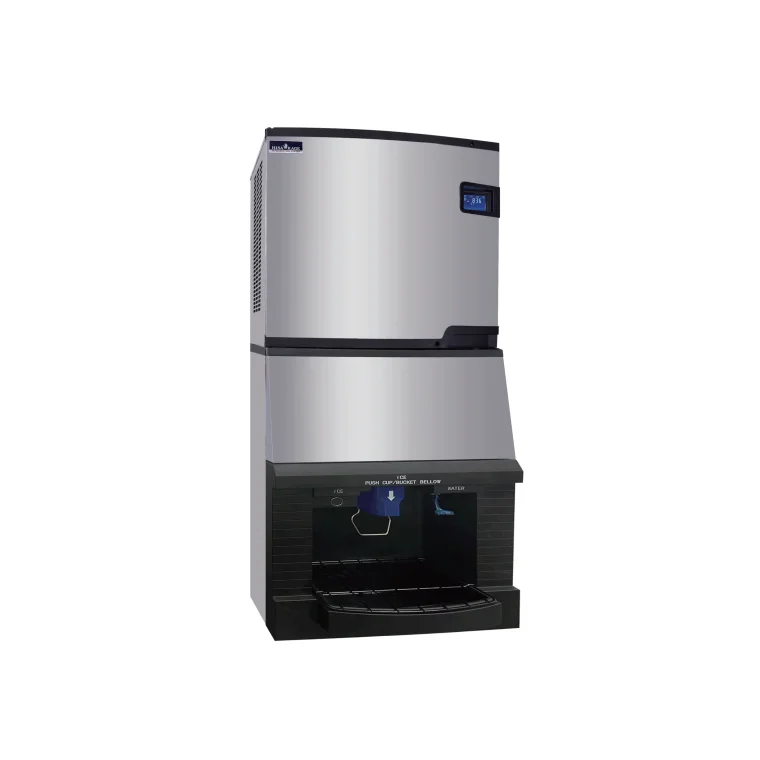
Understanding the Main Causes of Dispenser Downtime
Ice dispensing involves the movement of irregular solid pieces through a mechanical system. Unlike liquid beverage dispensing, ice delivery is affected by the shape, size, temperature, and surface moisture of the material. When ice pieces accumulate or freeze together, the dispensing path may become restricted. This can increase motor load, interrupt delivery, or trigger protective shutdowns.
Storage conditions are a frequent contributing factor. If the bin allows excessive warm air to enter, ice may partially melt. The resulting surface water can cause individual pieces to adhere to one another, especially when temperatures fluctuate. Repeated melting and refreezing can create larger clusters that are difficult for the dispensing mechanism to move.
Mechanical wear can create similar symptoms. A worn drive component, damaged bearing, misaligned shaft, or excessive mechanical clearance may reduce transmission efficiency. The motor then needs to work harder to complete each dispensing cycle. If the equipment operates frequently throughout the day, these problems can gradually increase and eventually cause an interruption.
Control-system faults should also be considered. An unstable sensor signal, damaged wiring connection, or malfunctioning actuator may prevent the dispenser from responding correctly even when the mechanical system is in good condition. Effective troubleshooting requires checking the entire operating sequence rather than immediately replacing the motor or controller.
Matching Storage Capacity to Actual Ice Consumption
Insufficient ice storage is a common reason for poor service continuity. However, choosing a larger bin is not always the most efficient solution. Storage capacity should be matched to consumption patterns, ice production rate, replenishment frequency, and available installation space.
Consider a beverage outlet that experiences concentrated demand during several peak periods. Its average daily consumption may appear manageable, but the dispenser could still run short of ice during a busy 30-minute interval if the storage capacity and replenishment rate are not properly matched.
A practical capacity assessment should distinguish between daily consumption and peak demand. Daily consumption helps estimate the total ice requirement, while peak demand determines whether the dispenser can maintain availability during the busiest operating periods. The ice maker's production capacity must also be considered under actual operating conditions. Rated production figures may depend on specific ambient temperature and water inlet temperature conditions, so real installation conditions should be checked before estimating output.
The relationship between production and storage is equally important. A high-capacity ice maker paired with an undersized storage bin may not provide sufficient reserve during demand peaks. Conversely, a large bin supplied by an ice maker with inadequate production capacity may remain depleted for extended periods after heavy use.
Preventing Ice Blockages Through Better Mechanical Design
The dispensing mechanism must handle the physical characteristics of the selected ice type. Different ice forms create different mechanical challenges, so the design should be validated with the actual ice used in the application.
For cubed ice, the mechanism needs sufficient clearance to accommodate the cube dimensions without allowing excessive accumulation near the outlet. Irregular cubes may require more attention to channel geometry. Nugget ice can compress and form clusters, making the design of the feeding path and agitator particularly important. Flake ice may compact under pressure and requires a dispensing arrangement suitable for its structure.
The hopper angle, outlet size, internal surface finish, and location of moving components all affect ice flow. Poorly designed transitions can create areas where ice accumulates. If the dispenser uses an auger, agitator, or rotating delivery component, its geometry and speed should be matched to the expected ice load.
Motor and transmission selection must also account for occasional increases in resistance. A motor should provide adequate starting torque without operating continuously near its maximum thermal limit. Overload protection can help prevent damage when the mechanism becomes obstructed, but it should not be used to compensate for unsuitable mechanical design.
A reliable engineering approach evaluates the dispensing mechanism, motor, gearbox, bearings, and control logic as one integrated system. This reduces the risk of treating symptoms while leaving the underlying cause of repeated blockage unresolved.
Thermal Insulation and Condensation Control
An Automatic Ice Dispenser operates in an environment where cold storage conditions interact with warm and humid commercial spaces. Poor insulation or inadequate sealing increases heat transfer into the ice compartment, accelerating melting and increasing the possibility of clumping.
The quality of insulation materials, panel joints, door seals, and access openings affects thermal stability. Frequent opening of the ice bin can also introduce warm air, especially in self-service applications. Equipment design should minimize unnecessary exposure while still providing convenient replenishment and cleaning access.
Condensation management is another important factor. Moisture accumulating around the bin or electrical components can create maintenance and reliability concerns. Proper drainage, suitable component protection, and well-designed sealing structures help reduce these risks. The exact protection requirements depend on the equipment configuration and installation environment.
For businesses operating in warm climates or outdoor-adjacent service areas, ambient temperature and humidity should be considered during equipment selection. A model that performs adequately in a climate-controlled kitchen may experience different operating conditions in a high-temperature convenience store or semi-open beverage station.
Maintenance Strategies That Extend Equipment Service Life
Preventive maintenance is more effective than waiting for a complete failure. The maintenance schedule should reflect operating frequency, environmental conditions, and the manufacturer's recommendations. High-traffic equipment may require more frequent inspection than a dispenser used only during limited service hours.
Cleaning the storage bin and dispensing outlet helps maintain hygiene and allows operators to identify early signs of ice accumulation or abnormal wear. The drainage system should be checked for blockage, while door seals and insulation interfaces should be inspected for damage. Moving parts should be reviewed for unusual noise, vibration, looseness, or resistance during operation.
Electrical inspection is also necessary. Connections, sensors, switches, and control components should be checked for signs of moisture exposure or damage. Any abnormal motor heating, repeated overload trips, or irregular dispensing cycles should be investigated before continued operation causes further component wear.
Serviceability should be considered at the equipment selection stage. Components that can be accessed without extensive disassembly reduce maintenance time. Clear fault indicators and accessible cleaning points also help operators identify routine issues more quickly.
Selecting Equipment for Different Commercial Environments
Different applications create different reliability requirements. Hotels may need a dispenser that supports frequent guest use and simple operation. Restaurants often require a balance between storage capacity and rapid delivery during concentrated meal periods. Convenience stores may prioritize compact installation, easy replenishment, and consistent operation throughout long business hours.
Before selecting an Automatic Ice Dispenser, businesses should verify the ice type, expected daily consumption, peak demand, installation dimensions, electrical supply, drainage requirements, and maintenance access. They should also confirm whether the equipment includes an integrated ice maker or requires connection to an external ice production system.
Certification requirements should be reviewed according to the destination market and specific product model. CE, ETL, NSF, and ENERGY STAR address different compliance or performance considerations; they are not interchangeable. A product's certification status should be confirmed through the relevant model documentation.
HISAKAGE: Commercial Ice Equipment for Global Markets
HISAKAGE specializes in the manufacture of commercial ice makers, refrigerators, and display cabinets. The company has passed ISO 9001 management system certification, and its related products have obtained certifications including CE, CB, RoHS, Saber, ETL, NSF, and ENERGY STAR, depending on product type and model. With products exported to more than 60 countries and regions, HISAKAGE serves customers in a range of international commercial markets.
When evaluating an Automatic Ice Dispenser, businesses should focus on the complete operating system rather than a single performance figure. Stable ice storage, compatible dispensing mechanics, appropriate motor performance, effective thermal management, and accessible maintenance all contribute to equipment reliability. A dispenser matched to real consumption patterns and installation conditions can reduce service interruptions, improve staff efficiency, and support consistent commercial operation.
http://www.hisakage.com
HISAKAGE REFRIGERATION EQUIPMENT CO.,LTD. -
AuthorPosts

- You must be logged in to reply to this topic.