- This topic is empty.
-
AuthorPosts
-
2026-11-20 at 5:20 pm #15432
Why Is Soil Moisture Monitoring Important?
Soil moisture measurements taken at different depths provide one of the most direct indicators of a plant's water requirements. Tracking changes in soil moisture profiles over time helps determine actual water consumption and supports irrigation decisions based on objective data rather than visual observations, fixed schedules, or weather forecasts alone.
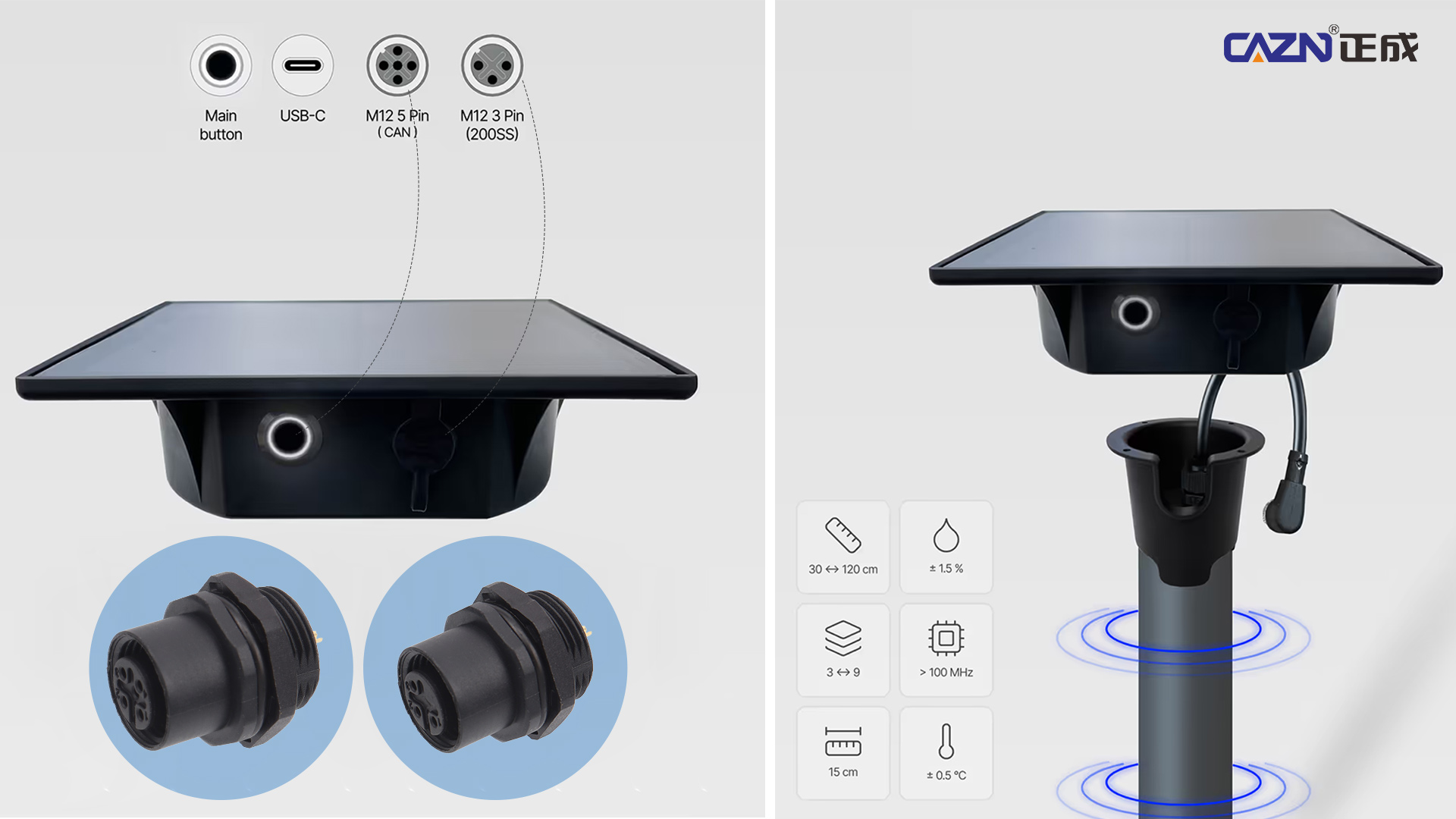
With accurate soil moisture monitoring, farmers can anticipate water availability, avoid unnecessary irrigation during rainy periods, and manage water restrictions more effectively during droughts. The ultimate goal is to achieve the desired crop yield and quality across every field through more precise water management.
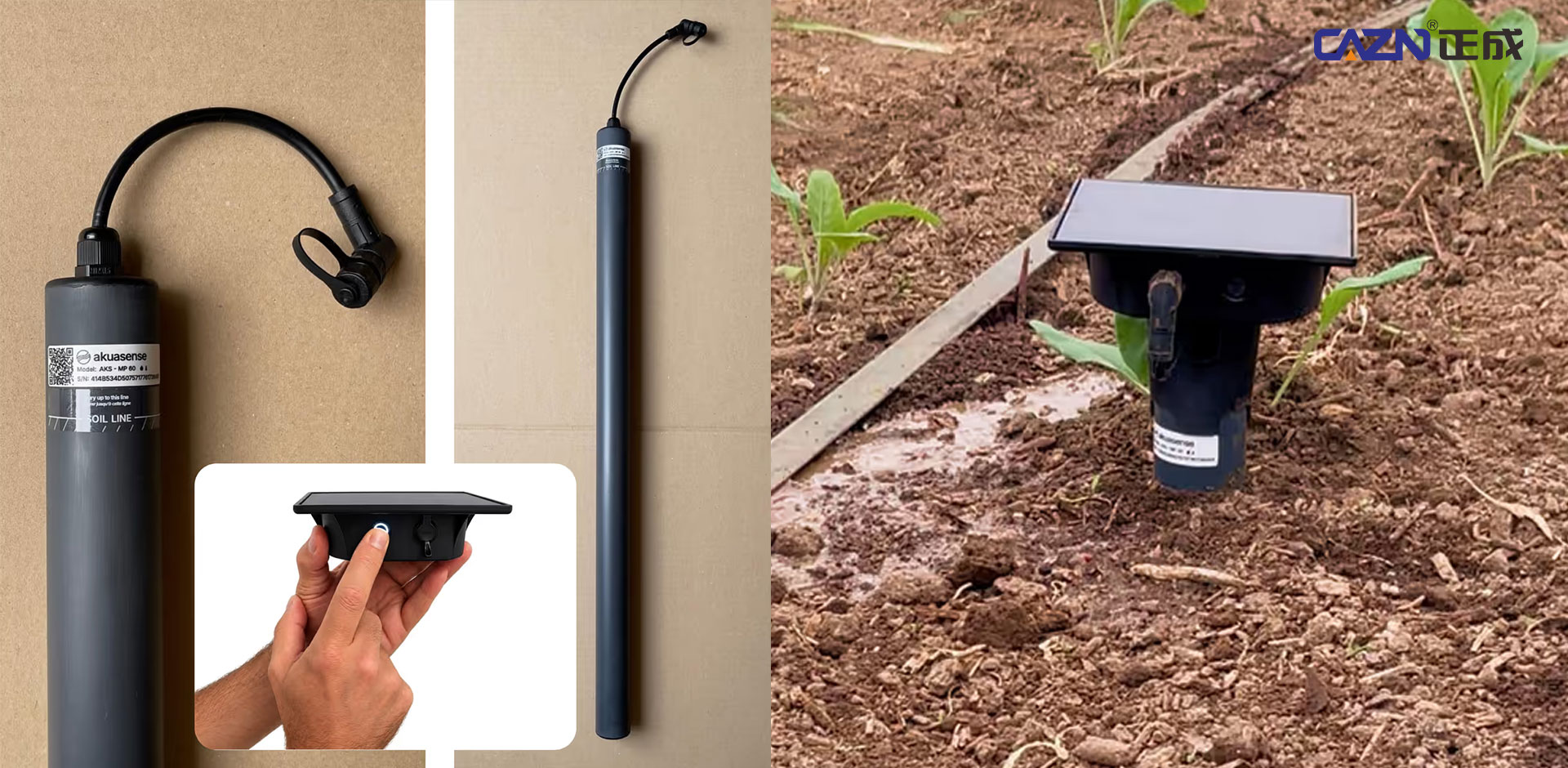
In the growing field of smart agriculture and precision irrigation, soil moisture sensors act as the "nerve endings" beneath the ground, continuously monitoring the water conditions essential to crop growth. However, agricultural environments are highly demanding. Fertilizers, pesticide applications, rainfall, and soil salinity constantly challenge the reliability of electrical connection systems. Once a connector becomes oxidized or corroded, signal transmission can be interrupted, rendering even the most accurate sensor ineffective.
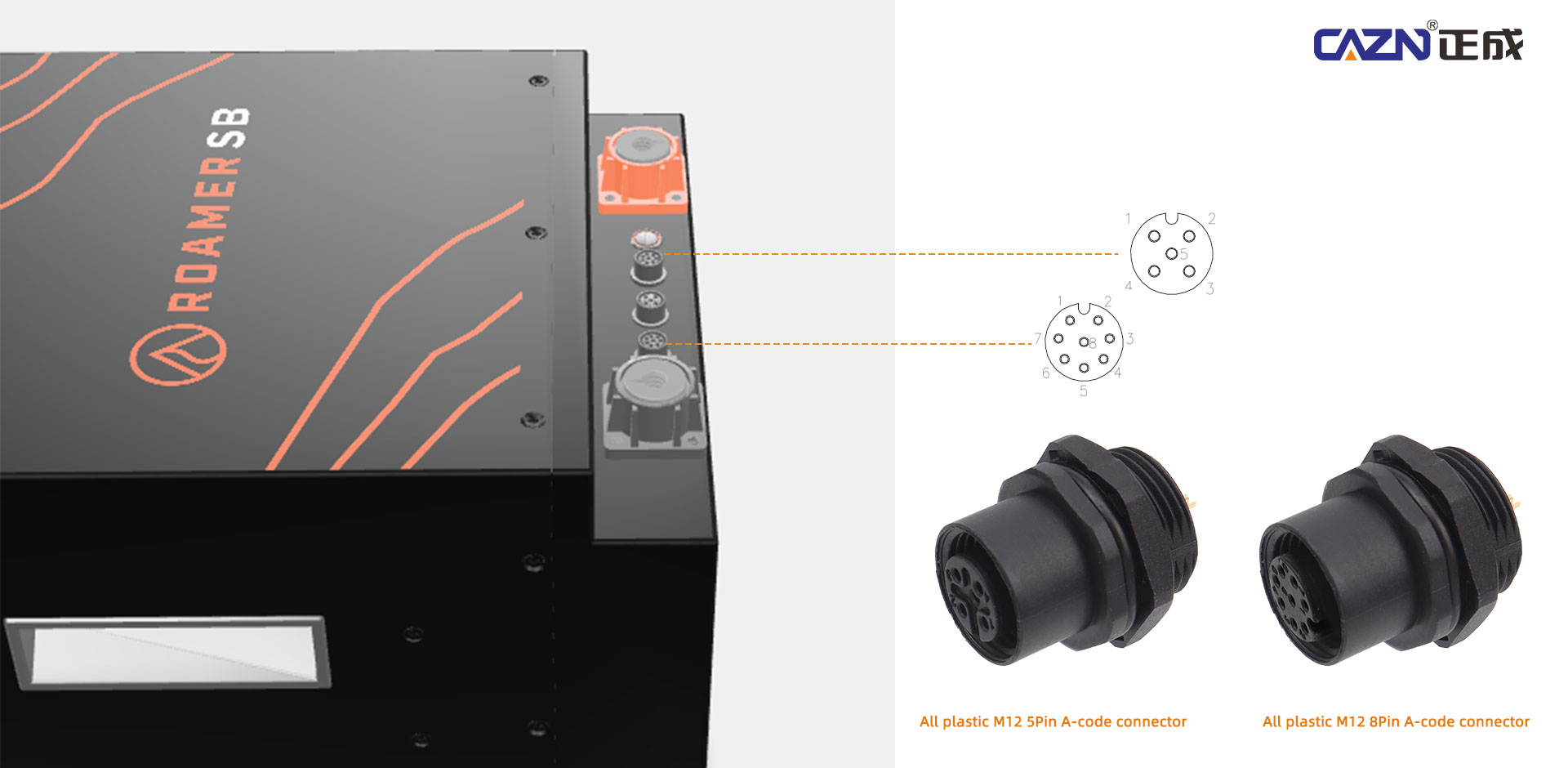
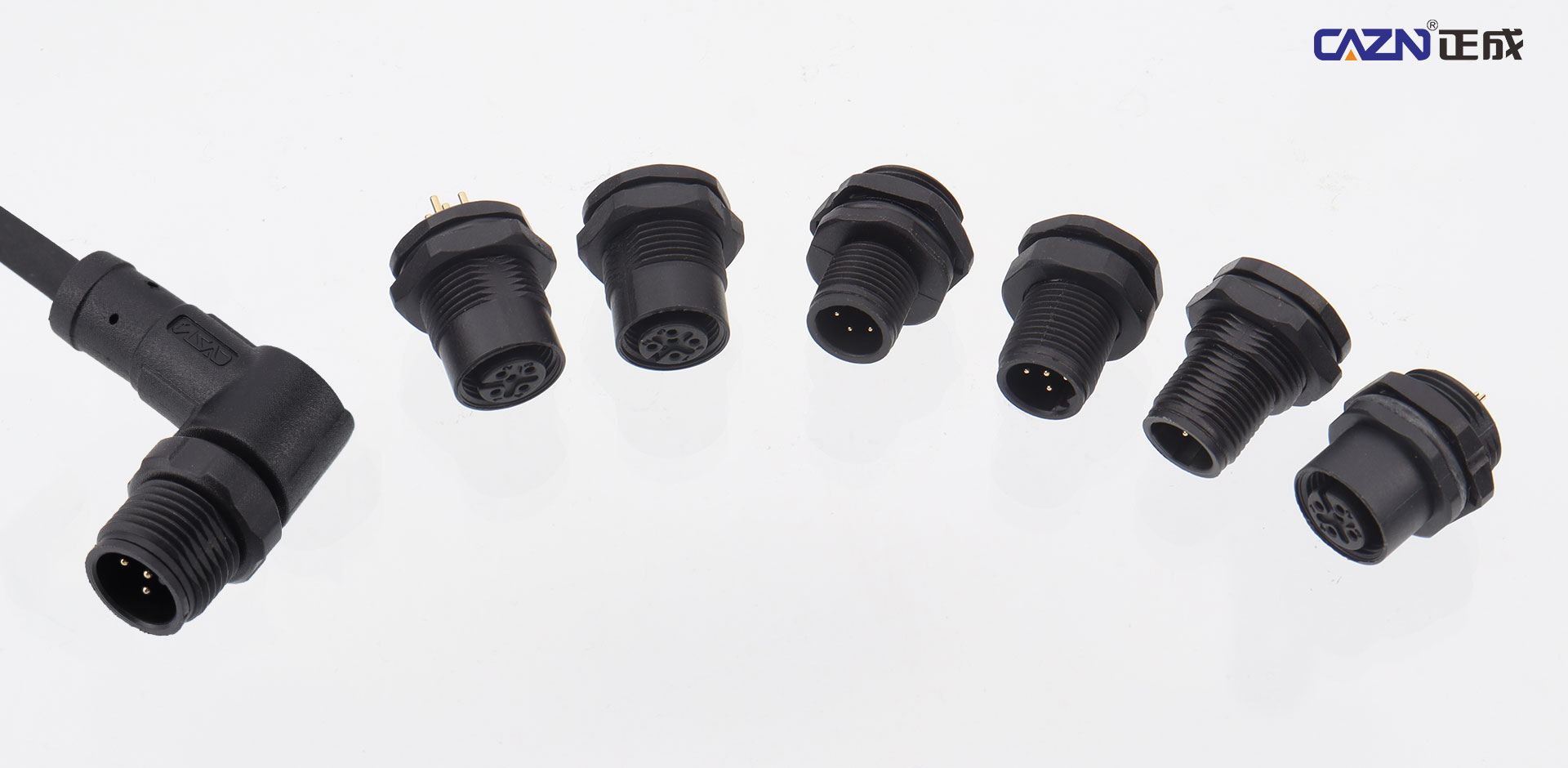
To address these challenges, CAZN's 3-pin and 5-pin all-plastic M12 connectors provide a reliable connection solution for wired soil moisture sensors and probes. Designed with corrosion resistance, waterproof protection, and cost efficiency in mind, these M12 connectors are well suited to agricultural and horticultural applications, particularly large-scale soil monitoring and precision irrigation deployments.
Why Are All-Plastic M12 Connectors Suitable for Soil Moisture Probes?
All-Plastic Housing for Superior Chemical Resistance
Unlike conventional metal connectors, CAZN's all-plastic M12 connectors feature high-strength PA66/PBT engineering plastic housings. These materials offer excellent resistance to chemical corrosion, helping protect the connector against common agricultural contaminants, including fertilizers, pesticides, and soil salts.
Even under prolonged exposure to high humidity and muddy conditions, the plastic housing avoids the oxidation and rust-related problems commonly associated with metal components. This helps reduce the risk of poor electrical contact and supports stable signal transmission throughout long-term outdoor operation.
For soil moisture monitoring systems, where sensors may remain deployed in the field for extended periods, material selection plays an important role in maintaining connection reliability and reducing maintenance requirements.
IP67/IP68 Protection for Reliable Outdoor Operation
Agricultural equipment must withstand unpredictable weather and frequent exposure to water. Waterproof protection is therefore essential for connectors used in soil moisture monitoring systems.
CAZN's M12 connector series can achieve IP67/IP68 protection ratings when properly mated, depending on the specific model. This protection helps prevent water ingress during irrigation spraying, heavy rainfall, and temporary water immersion.
By maintaining a protected electrical connection in wet and muddy environments, these connectors help ensure that soil moisture data can be transmitted reliably under demanding outdoor conditions.
Lower Cost for Large-Scale Agricultural Deployment
Compared with nickel-plated brass versions, all-plastic M12 connectors offer a more cost-effective alternative. Their lower material cost makes them particularly attractive for agricultural projects involving large numbers of soil moisture sensors.
For precision irrigation networks covering multiple fields or extensive growing areas, reducing the cost per connection can help control overall system investment without compromising the corrosion resistance required by the application.
Choosing Between 3-Pin and 5-Pin M12 Connectors
The appropriate pin configuration depends primarily on the sensor's electrical interface, power requirements, and communication method.
3-Pin M12 Connectors: For Basic Analog Soil Moisture Sensors
Three-pin connectors are suitable for basic analog sensors, including resistive and capacitive soil moisture probes. A typical wiring configuration includes:
-
VCC: Positive power supply
-
GND: Power ground
-
Signal: Analog output, such as 0–5 V or 4–20 mA
This configuration provides a straightforward connection for conventional soil moisture monitoring systems that transmit measurement data through analog signals.
5-Pin M12 Connectors: For Intelligent RS485/MODBUS Sensors
Five-pin connectors are more suitable for intelligent soil monitoring probes equipped with RS485 or MODBUS communication interfaces.
A typical pin assignment may include:
-
Pin 1: 24V+
-
Pin 2: GND
-
Pin 3: RS485-A
-
Pin 4: RS485-B
-
Pin 5: Shield/Ground
This configuration supports digital communication and can accommodate multifunctional sensors that simultaneously measure soil moisture, temperature, and electrical conductivity (EC).
The actual pin assignment should always be verified against the sensor manufacturer's wiring diagram to ensure electrical compatibility.
Key Specifications to Check When Selecting M12 Connectors
When integrating M12 connectors into agricultural monitoring systems, several technical parameters deserve particular attention.
Parameter
Recommended Specification
Coding
A-coded (commonly used for sensor and actuator connections)
Protection Rating
IP67/IP68 (when properly mated)
Housing Material
PA66-GF engineering plastic
Sealing Material
FKM fluoroelastomer for chemical resistance or EPDM
Locking Nut
SUS316 stainless steel for improved salt-spray resistance
Rated Voltage/Current
5-pin: 60V/4A; 3-pin: 250V/4A
Operating Temperature
-25°C to +85°C; extended-temperature versions may reach -40°C to +105°C
Cable Jacket
PUR, offering abrasion resistance, hydrolysis resistance, and UV resistance compared with conventional PVC
These specifications should be treated as application-level selection references rather than universal ratings. Actual voltage, current, temperature, material, and protection ratings depend on the specific connector model and its datasheet.
AuthorPostsViewing 1 post (of 1 total)- You must be logged in to reply to this topic.
-
