- This topic is empty.
-
AuthorPosts
-
2026-03-16 at 2:32 pm #13169
Fire safety has always been a critical concern in both residential and commercial buildings. With the rapid growth of urban architecture and the increasing density of workplaces and homes, traditional safety measures such as smoke detectors, fire alarms, and sprinkler systems, while essential, are no longer sufficient on their own. Modern construction demands innovative materials that not only meet aesthetic standards but also enhance safety. One such material leading the way in fire protection is fireproof tempered glass.
Understanding Fireproof Tempered Glass
Fireproof tempered glass, also commonly referred to as fire-resistant glass, is engineered to withstand high temperatures while maintaining structural integrity. Unlike regular glass, which can shatter when exposed to heat, fireproof tempered glass undergoes a special tempering process that increases its strength and resilience. This process involves controlled heating followed by rapid cooling, creating compressive stresses on the glass surface and tensile stresses inside. The result is a material that can resist extreme heat, reduce the spread of flames, and protect occupants during fire emergencies.
Key Features of Fireproof Tempered Glass
-
High Thermal Resistance
Fireproof tempered glass is designed to endure temperatures ranging from 200°C to 1000°C depending on the specific type. This makes it suitable for environments where fire hazards are a concern, such as kitchens, industrial facilities, and high-rise buildings. -
Enhanced Structural Strength
Tempered glass is four to five times stronger than regular annealed glass. In fireproof variants, this strength is retained even under heat stress, ensuring that glass doors or partitions remain intact long enough for evacuation. -
Safety Upon Breakage
If fireproof tempered glass does break, it shatters into small granular chunks rather than sharp shards. This feature minimizes injury risk during evacuation. -
Transparency and Aesthetics
One of the major advantages of fireproof glass is that it allows for transparency. Architects and interior designers can incorporate fire safety without compromising on natural light or visual openness, making it ideal for modern offices, shopping malls, and residential complexes.
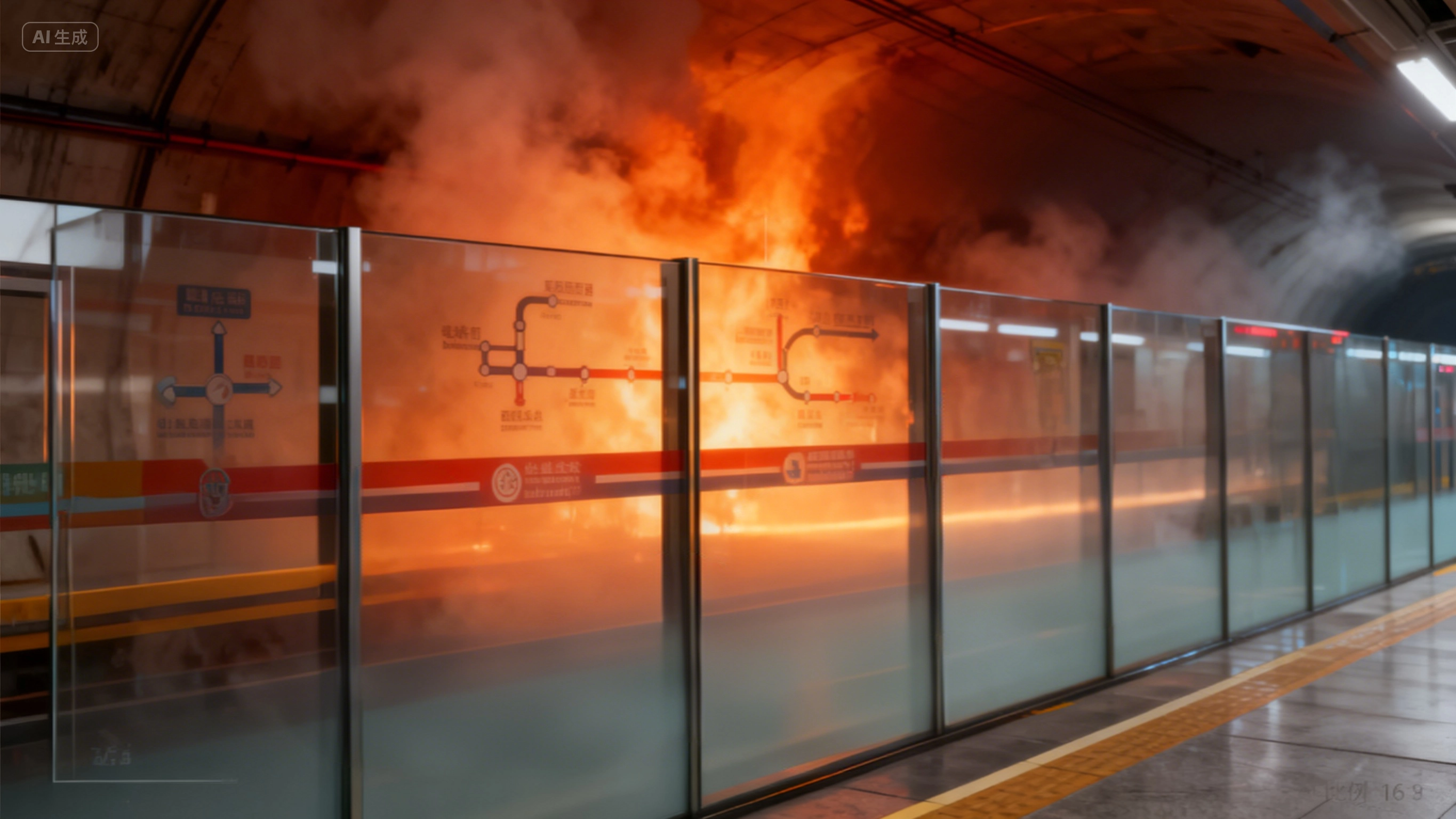
Applications of Fireproof Tempered Glass
The versatility of fireproof tempered glass makes it a valuable asset across numerous applications:
1. Fireproof Glass Doors
Fireproof glass doors are among the most common applications of fire-resistant glass. Unlike traditional wooden fire doors, fireproof glass doors combine visibility with safety. They allow natural light to pass through while compartmentalizing spaces to prevent the spread of fire and smoke. These doors are particularly useful in office buildings, hotels, hospitals, and commercial complexes.
2. Fire-Resistant Partitions and Windows
In modern architecture, open-plan designs are popular, but they can pose fire hazards. Installing fireproof tempered glass partitions ensures that even large open spaces can be divided safely, limiting fire spread. Similarly, fire-resistant windows protect occupants by creating a thermal barrier against external fires while still providing an unobstructed view.
3. Industrial and Laboratory Environments
Fireproof glass is widely used in laboratories, chemical plants, and factories where high-heat processes are common. Protective enclosures, control room windows, and machine shields made from fire-resistant glass help prevent accidents from escalating.
4. Kitchens and Cooking Areas
Kitchens, especially in commercial establishments, are high-risk zones for fires. Fireproof tempered glass panels can be installed around cooking stations, ovens, and stoves to reduce fire hazards while maintaining visibility for supervision.
How Fireproof Tempered Glass Works
Fireproof tempered glass is not merely about strength; it functions through advanced thermal and chemical properties. There are generally two types of fireproof glass:
-
Wired Glass: Traditional wired glass has a mesh embedded within it. When exposed to fire, the mesh holds the glass together, preventing collapse. However, wired glass compromises optical clarity and may not meet modern aesthetic standards.
-
Laminated Fire-Resistant Glass: Laminated glass is composed of multiple layers, typically with a transparent interlayer that swells when exposed to heat. This expansion forms a thermal barrier that prevents flames and heat from passing through. Laminated fireproof glass maintains clarity and provides superior fire resistance compared to wired glass.
The modern approach favors tempered laminated glass, which combines the structural strength of tempered glass with the fire-blocking properties of the interlayer, offering both safety and transparency.
Benefits of Fireproof Tempered Glass
1. Life Safety
The primary advantage of fireproof tempered glass is the protection of human life. By slowing the spread of fire and smoke, it provides occupants with critical extra minutes to evacuate, potentially saving lives in emergencies.
2. Property Protection
In addition to human safety, fireproof glass can reduce property damage. By containing flames within a compartment, it minimizes the destruction of other areas, helping to protect assets and reduce insurance costs.
3. Compliance with Fire Safety Regulations
Building codes worldwide increasingly mandate the use of fire-resistant materials. Installing fireproof tempered glass doors and partitions ensures compliance with safety regulations and helps avoid potential legal liabilities.
4. Design Flexibility
Unlike conventional fireproof materials, fireproof tempered glass offers flexibility in design. Large panels, frameless doors, and stylish partitions can all be safely incorporated, allowing architects to balance aesthetics with safety.
5. Low Maintenance
Fireproof tempered glass is easy to clean and maintain. Unlike metal doors that may rust or wooden doors that may degrade, glass retains its strength and appearance for years without significant upkeep.
Choosing the Right Fireproof Tempered Glass
Selecting the appropriate type of fireproof glass requires considering multiple factors:
-
Fire Rating: Fire-resistant glass comes with different ratings, usually measured in minutes (e.g., 30, 60, 90, 120 minutes). The rating indicates how long the glass can withstand fire without failing.
-
Application Area: For doors, windows, or partitions, the thickness and construction of the glass will vary. High-traffic areas may require stronger laminated tempered glass.
-
Transparency Needs: Depending on whether natural light and visibility are important, architects can choose fully transparent or frosted fireproof glass.
-
Certification: Always ensure the glass complies with local fire safety standards, such as ASTM E119 in the U.S. or EN 1364-1 in Europe.
-
Frame Compatibility: Glass doors and partitions need compatible frames, typically aluminum or steel, which can also resist high temperatures.
Installation and Maintenance Tips
-
Professional Installation: Proper installation is crucial to maintain the fireproof properties. Gaps, improper sealing, or unsuitable framing can compromise effectiveness.
-
Regular Inspection: Fireproof glass should be periodically checked for cracks, chips, or damage. Even small imperfections can reduce its fire resistance.
-
Cleaning: Use mild detergents and soft cloths. Avoid abrasive cleaners that may scratch or weaken the surface.
-
Upgrades: In older buildings, replacing outdated wired glass with modern laminated tempered glass can significantly improve safety without major structural changes.
The Future of Fireproof Tempered Glass
The demand for fire-resistant materials is growing as cities expand vertically and open-plan office layouts become standard. Innovations such as smart fireproof glass, which can change opacity during emergencies, are on the horizon. Additionally, combining fireproof tempered glass with energy-efficient coatings and soundproofing layers offers multifunctional benefits, making it an ideal choice for modern architecture.
Sustainability is also becoming a priority. Fireproof tempered glass can be manufactured using recycled materials and is fully recyclable, aligning with green building practices.
Conclusion
Fireproof tempered glass represents a significant advancement in fire safety. Its unique combination of strength, transparency, and thermal resistance makes it a modern solution for protecting lives, property, and aesthetics. From fireproof glass doors in offices to partitions in industrial facilities, this material offers unparalleled safety without compromising on design. As regulations tighten and architects push the boundaries of modern construction, the adoption of fireproof tempered glass is set to become a standard practice in building safer, smarter, and more beautiful spaces.
Incorporating fireproof tempered glass into your building design is not just a safety choice—it is a long-term investment in resilience, functionality, and peace of mind.
http://www.jxboxinglass.com
jxboxinglass -
-
AuthorPosts

- You must be logged in to reply to this topic.