- This topic is empty.
-
AuthorPosts
-
2026-09-21 at 2:20 pm #14781
The global cosmetics packaging industry is under growing pressure to source recycled plastics that combine verifiable sustainability credentials with the visual and mechanical performance that premium beauty brands demand. Natural color and transparent grades of recycled polypropylene (rPP) have historically been difficult to achieve at scale, since post-consumer waste streams typically carry residual color, odor, and impurities. Ningbo Topcentral New Material Co., Ltd., operating under the brand Topcentral®, has positioned itself as a professional provider of sustainable and low-carbon functional materials addressing exactly this gap through its PloyPoy® rPP product line.
Why Natural Color and Transparent rPP Matter for Cosmetic Packaging
Cosmetic bottle bodies, cream jars, and lipstick tubes require materials that not only meet mechanical and safety standards but also present a clean, high-purity aesthetic that consumers associate with quality beauty products. According to Topcentral’s product documentation, the PloyPoy® rPP series is differentiated by its ability to provide high-purity natural color and transparent grades that are typically difficult to achieve in recycled PP. This directly addresses one of the central technical bottlenecks facing cosmetic brands that want to replace virgin PP with recycled content without compromising on appearance.
PloyPoy® rPP: Core Grades for Cosmetic Applications
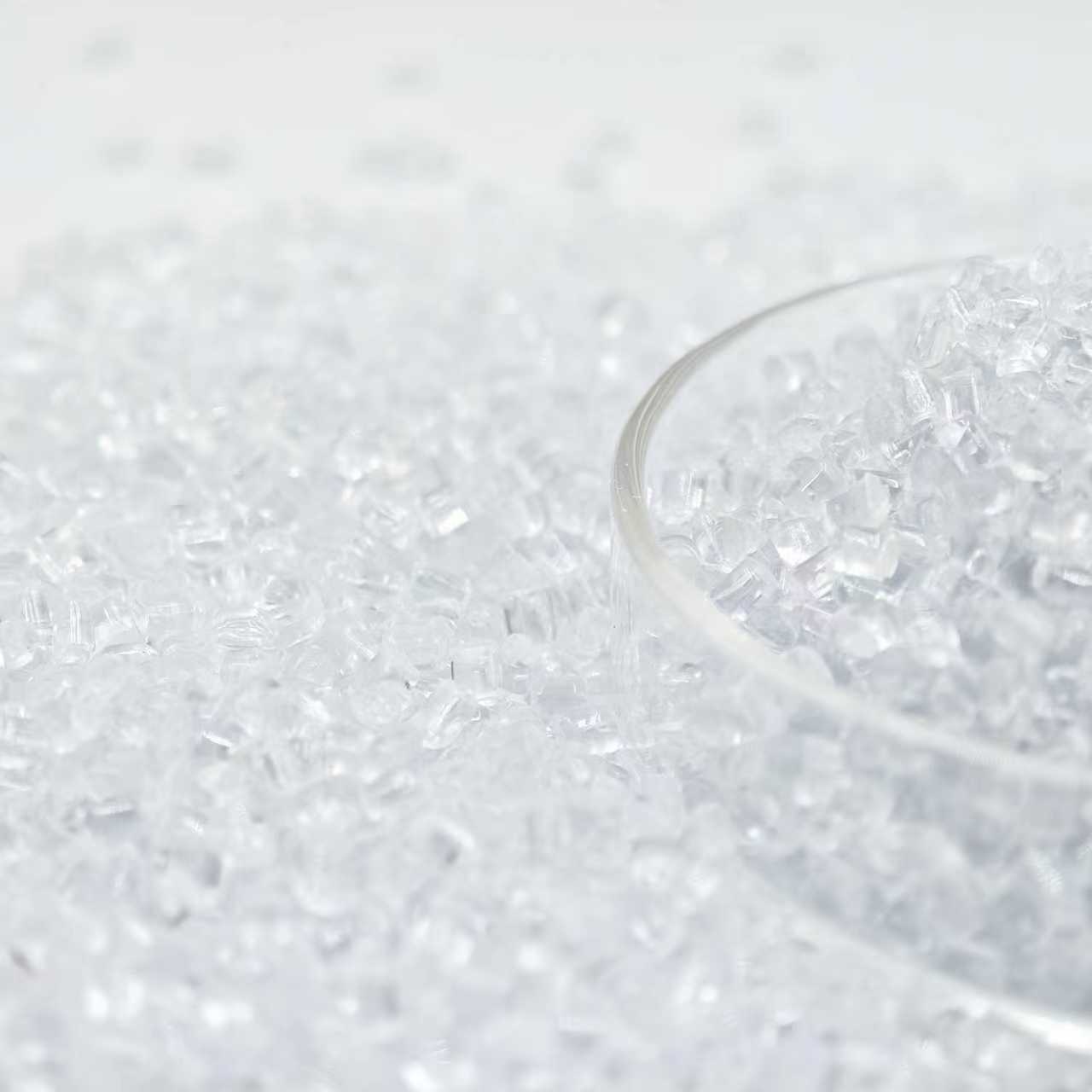
Within the PloyPoy® rPP family, two grades are specifically relevant to cosmetic bottle production. The rPP-W120A grade offers natural color suited for blow molding and extrusion processes and is used in cosmetic bottle bodies. This grade allows brand owners to move away from opaque or off-color recycled resins and instead specify a natural-color material that can be tinted or left in its base state for a premium finish. The second relevant grade, rPP-BP26, carries Coastbound® OBP (ocean-bound plastic) certification and is described as delivering high-performance structural integrity from ocean-bound waste, which allows brands to combine sustainability storytelling around marine plastic recovery with the structural performance required for packaging that must protect cosmetic formulations during transport and use.
GRS Certification as a Foundation for Verified Sustainability
Global Recycled Standard (GRS) certification is one of the industry certifications held by Ningbo Topcentral New Material Co., Ltd., alongside ISCC PLUS (International Sustainability & Carbon Certification). These certifications provide third-party verification of recycled content claims, which is increasingly important as cosmetic brands face scrutiny over greenwashing and unverified sustainability claims. GRS certification, in combination with the company’s broader quality and environmental management systems—including ISO 9001 (Quality Management), ISO 14001 (Environmental Management), and ISO 50001 (Energy Management)—gives brand owners a documented basis for the recycled content and environmental performance of the materials they specify.
Supporting Regulatory Compliance Requirements
Cosmetic packaging manufacturers operating in regulated markets must ensure that recycled materials meet chemical safety thresholds alongside recycled content requirements. Topcentral’s PCR materials are described as meeting RoHS, REACH, and FDA standards, and the company’s Beauty Industry Circular Solution case specifically notes that its rPETG series achieved an 80% carbon emission reduction while meeting strict RoHS and SVHC cosmetic regulations. This combination of documented carbon performance and chemical compliance is directly relevant to brands and converters seeking recycled materials that can be defended against regulatory scrutiny in cosmetic packaging supply chains, where both recycled content targets and substance restrictions are being tightened.
Digital Traceability from Raw Material to Finished Bottle
Beyond certification, Topcentral has built a digital traceability infrastructure around its PCR materials. Each product is equipped with a unique “CarbonCode” powered by iDNAXx® technology, and the company’s proprietary TcBChain® blockchain technology enables cradle-to-grave dual-verification traceability. The Back2Circle® TraceBytes™ integrated innovation platform combines LBS positioning, AI (IDectAI®), and Big Data (BgDAT®) to support this traceability function. For cosmetic brands that need to substantiate recycled content and carbon claims to regulators, retailers, or end consumers, this digital layer provides documentation that goes beyond the certificate itself, tracing material from source through to the finished bottle.
A Track Record in Beauty and Cosmetics Applications
Topcentral’s Beauty Industry Circular Solution case demonstrates the company’s direct experience in cosmetic packaging. The case describes implementing 100% PCR PET and PETG for high-end cosmetic packaging, alongside the natural color and transparent rPP grades used for bottle bodies. This is complemented by other PCR General Plastics under the TcycleGP® product line, including rPET-F80A (FDA grade with high purity, for cast film and food packaging) and rGPPS-T301 (transparent appearance with 100% PCR, used for stationeries and refrigerator compartments), indicating a broader material portfolio that cosmetic brands can draw on when specifying different components of a packaging system, from bottle body to cap and closure.
Dual-Track Carbon Neutrality and Broader Sustainability Positioning
Since 2022, Ningbo Topcentral New Material Co., Ltd. has pioneered what it terms “Dual-Track Carbon Neutrality” at both the organizational and product levels, achieving TUV Rheinland dual carbon neutral certification covering both product and organization in that same year. This organizational-level commitment, combined with product-specific carbon accounting, supports brand owners who need to report on scope-related emissions tied to their packaging supply chain, not just the recycled content percentage of a single material grade.
An Integrated Ecosystem Behind Every Grade
The PloyPoy® rPP grades used in cosmetic bottle production do not exist in isolation. They are supported by a broader technical infrastructure that includes physical recycling capability (PlasCircles™), new material modification technology (CircleBlend®), and a One2Solution one-stop service model covering digital certification, functional customization, design innovation, and carbon neutrality technology convergence. The company also maintains ecosystem brands such as SeaHipot®, described as a full-scene innovation ecology for solving ocean pollution, which connects the sourcing of ocean-bound plastic feedstocks—relevant to the Coastbound® OBP-certified rPP-BP26 grade—to downstream application in packaging.
Conclusion
For cosmetic brand owners and converters evaluating recycled polypropylene suppliers, the combination of GRS-certified recycled content, natural color and transparent processing capability, and documented chemical and carbon performance is central to building a defensible sustainable packaging strategy. Ningbo Topcentral New Material Co., Ltd., through its PloyPoy® rPP product line and supporting certifications including GRS and ISCC PLUS, along with its digital traceability infrastructure built on TcBChain® and CarbonCode technology, offers a documented pathway for cosmetic packaging manufacturers to source recycled polypropylene that addresses both the aesthetic requirements of premium bottle production and the compliance documentation that regulators and brand partners increasingly require.
http://www.Topcentral.net
Ningbo Topcentral New Material Co., Ltd. -
AuthorPosts

- You must be logged in to reply to this topic.