- This topic is empty.
-
AuthorPosts
-
2026-04-21 at 3:46 pm #13352
In today’s industrial landscape, precise liquid level measurement plays a vital role in maintaining operational efficiency, ensuring safety, and optimizing production processes. Whether in chemical manufacturing, food processing, or heavy industry, accurate monitoring of liquid volumes helps prevent equipment damage, avoid costly downtime, and reduce safety risks. Among the various technologies available, ultrasonic sensors have become a preferred choice due to their accuracy, durability, and ability to perform reliably in demanding environments.
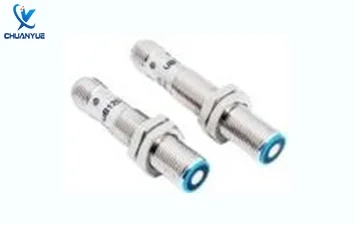
What Are Ultrasonic Sensors?
Ultrasonic sensors function by emitting high-frequency sound waves toward the surface of a liquid. These waves reflect back to the sensor, which then calculates the distance based on the time it takes for the echo to return. Because this method does not require direct contact with the liquid, it avoids many of the limitations associated with traditional measurement techniques. As a result, ultrasonic sensors are especially suitable for monitoring corrosive, high-temperature, or viscous substances.
Key Benefits in Industrial Use
Non-Contact Operation
A major advantage of ultrasonic sensors is that they do not come into direct contact with the liquid being measured. This eliminates issues such as contamination, corrosion, and mechanical wear, making them highly suitable for aggressive chemicals, oils, and sensitive materials.Precision and Stability
Modern ultrasonic sensors deliver highly accurate readings even in complex industrial settings. Advanced designs can effectively resist interference from electrical equipment such as motors and inverters, ensuring consistent and reliable performance. They also maintain stability under high temperatures and in oil-heavy environments.Wide Range of Applications
Ultrasonic sensors are used across numerous industries, including automotive manufacturing, metal processing, steel production, robotics, CNC machining, logistics, packaging, printing, and food processing. With diverse product lines and specifications, manufacturers can provide tailored solutions to meet specific operational requirements.Low Maintenance Requirements
Unlike traditional float or mechanical sensors that often require frequent servicing, ultrasonic sensors operate without physical contact. This significantly reduces wear and minimizes the need for cleaning, calibration, or replacement, resulting in lower maintenance costs and less downtime.Flexible and Customizable Solutions
Industrial environments vary greatly, and ultrasonic sensors can be adapted to suit different tank sizes, liquid types, and environmental conditions. Continuous product development ensures these sensors remain aligned with evolving industry demands, enabling scalable and future-proof monitoring systems.Important Selection Factors
When choosing ultrasonic sensors for liquid level monitoring, several factors should be considered:
-
Temperature and Chemical Compatibility: Ensure the sensor can withstand the operating conditions and properties of the liquid.
-
Signal Reliability: In electrically noisy environments, sensors with strong anti-interference capabilities are essential.
-
Protection Against Water and Oil: Waterproof and oil-resistant designs are crucial for many industrial applications.
-
Installation Flexibility: Sensors should support various mounting options to accommodate different tank designs.
Typical Application Scenarios
Automotive and Machinery Industries
Accurate liquid monitoring is essential for lubrication systems, hydraulic operations, and coating processes. Ultrasonic sensors help maintain optimal levels and prevent operational issues.Steel and Pipe Manufacturing
These industries often involve high temperatures and corrosive materials. Ultrasonic sensors designed for extreme conditions ensure safe and efficient production.Food Processing and Packaging
Hygiene is a top priority in food-related industries. Non-contact measurement prevents contamination while maintaining precise control over filling and storage processes.Automation and CNC Equipment
In automated systems, real-time monitoring of coolants and lubricants is critical. Ultrasonic sensors integrate seamlessly with control systems to support efficient machine operation.Practical Implementation Tips
-
Accurate Tank Mapping: Understand tank dimensions to select sensors with appropriate range and resolution.
-
Environmental Assessment: Consider factors such as foam, vapor, or turbulence that may affect measurement accuracy.
-
System Integration: Ensure compatibility with PLCs, SCADA, or IoT platforms for real-time data monitoring.
-
Routine Verification: Periodically check sensor performance to maintain long-term accuracy.
Final Thoughts
Ultrasonic sensors have significantly improved the way industries monitor liquid levels, offering a reliable, non-contact, and highly adaptable solution. Their ability to perform in harsh environments, combined with low maintenance needs and high precision, makes them an essential component in modern industrial systems. By adopting high-quality ultrasonic sensing technology, businesses can enhance efficiency, reduce operational risks, and achieve more stable and optimized production processes.
http://www.cysensors.com
Shanghai Chuan Yue Automation System Co., Ltd. -
-
AuthorPosts

- You must be logged in to reply to this topic.