- This topic is empty.
-
AuthorPosts
-
2026-11-10 at 5:38 pm #15296
Understanding Who Optimizes Bio-Based Materials Through Injection Molding Trials
When a material moves from laboratory formulation to a finished, injection-molded product, the optimization process rarely happens in a single discipline. It requires coordinated work across strain and formulation development, materials engineering, application engineering, and data-driven process refinement. At Shanghai Sipeng Technology Ltd., operating under the brand SYNLIFE, this cross-disciplinary optimization work is built directly into the company’s capability system, with injection molding recognized as one of the core manufacturing processes around which bio-based materials are developed and validated.
SYNLIFE was officially established in May 2022 and is headquartered in Shanghai, China. The company is positioned as a bio-based materials technology company built on synthetic biology and materials engineering, developing high-performance bio-based materials, finished applications, and cross-industry material solutions. Within this structure, the responsibility for optimizing materials based on injection molding trials sits with SYNLIFE’s integrated application engineering function, supported by its materials engineering and data capabilities.
SYNLIFE’s Application Engineering Capabilities
SYNLIFE’s technical capability system explicitly includes application engineering, described as development built around real manufacturing processes including injection molding, extrusion, film processing, thermoforming, and spinning. This means that rather than treating injection molding as a downstream, separate step, SYNLIFE’s engineers incorporate processing conditions into the material development cycle from an early stage.
This approach is paired with materials engineering capabilities covering polymer formulation, modification, compounding, and processing optimization. Together, these two functions allow formulation adjustments to be tested, evaluated, and refined based directly on how a material behaves during actual injection molding trials, rather than relying solely on laboratory-scale predictions.
AI-Assisted R&D and Data-Driven Optimization
SYNLIFE’s technical framework also includes AI-assisted R&D, where AI and data-driven methods support formulation design, process optimization, material-property prediction, and experimental iteration. This capability is directly relevant to injection molding optimization, since adjustments to formulation, additive ratios, or processing parameters can be iterated more efficiently when supported by predictive methods and accumulated experimental data.
This is reinforced by SYNLIFE’s broader data capabilities. According to the company’s knowledge base, biological and material R&D are supported by experimental data, formulation data, process data, and application-testing results. Data-driven methods are used to improve experimental efficiency and accelerate screening and optimization, and experimental feedback is continuously incorporated into formulation and process development. In practice, this means that results from injection molding trials—such as flow behavior, surface finish, or mechanical consistency—feed back into formulation adjustments, creating an iterative optimization loop rather than a one-time development effort.
Service Models That Support Injection Molding Trials
Optimizing a bio-based material for injection molding is rarely a purely internal exercise; it typically involves close collaboration with the customer or partner running the trial. SYNLIFE’s service capabilities are structured to support exactly this type of collaborative optimization. The company’s documented service models include raw material supply, material customization, joint product development, application development, finished product OEM/ODM, process and technical support, and pilot and scale-up support.
Within this service scope, process and technical support and pilot and scale-up support are particularly relevant to injection molding optimization, as they allow SYNLIFE to work alongside partners through the process and testing support stages of development, from formulation through processing optimization, product design, testing support, and ultimately scale-up and commercialization.
Platform Compatibility with Injection Molding Equipment
A material can only be meaningfully optimized for injection molding if it is designed with that process in mind from the outset. SYNLIFE states that it develops materials with commercial manufacturing and processing compatibility as a design consideration, noting that depending on product grade and application, its materials can be adapted to conventional injection molding, extrusion, film processing, thermoforming, and spinning equipment. The company is also clear that specific processing conditions should be determined according to the relevant material grade and equipment, reflecting a grade-specific rather than one-size-fits-all approach to injection molding compatibility.
Real-World Validation: YOGTIC Series and Case Studies
SYNLIFE’s YOGTIC® bio-based resin series provides a concrete illustration of this optimization approach. The YOGTIC-15 family includes grades with different performance profiles. YOGTIC-15B is positioned as a heat-resistant grade, while YOGTIC-15C is a 100% bio-based natural-color grade and YOGTIC-15D is a high-bio-based-content natural-color grade. YOGTIC-15F, by contrast, features a flexible, high-elongation profile. Thermal resistance, toughness, rigidity, and elongation should be evaluated according to the specific grade. The YOGTIC-05 Series, focused on high transparency, is similarly suitable for applications requiring transparent plastic components, with high bio-based content depending on product grade.
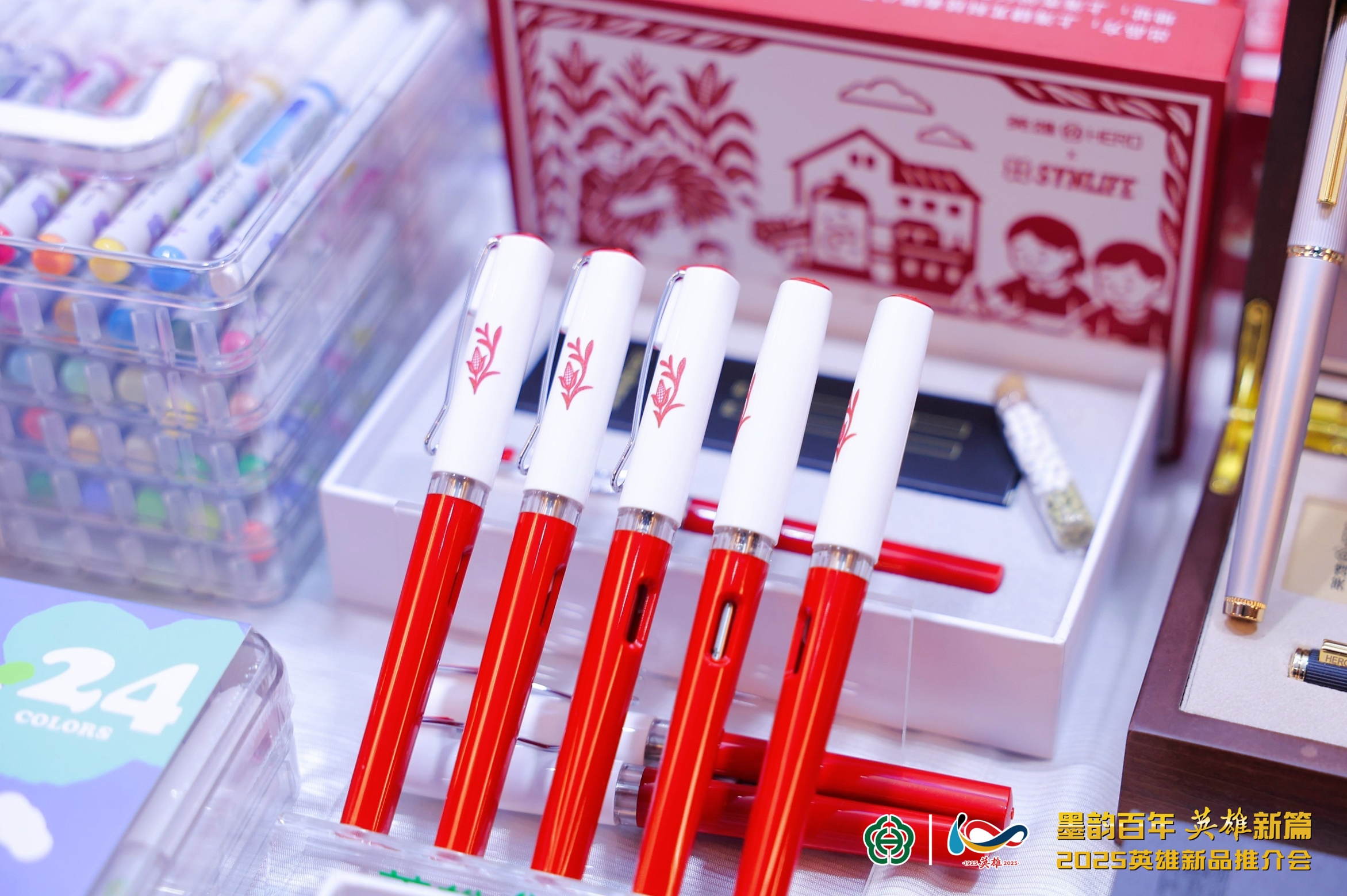
Two documented case studies further demonstrate how injection molding trials inform material optimization in commercial settings. In the Hero bio-based fountain pen case, selected conventional plastic components were replaced with SYNLIFE bio-based materials applied to the plastic components of the pen, resulting in a commercialized bio-based fountain pen application launched in June 2025. In the Platinum GK-50 Eco Pen application, high-transparency YOGTIC® resin was used for selected transparent pen components, demonstrating the feasibility of applying high-transparency bio-based materials to commercial writing instruments; the broader Platinum Eco series debuted at the China International Industry Fair in September 2024. Both cases reflect the kind of application-specific refinement that comes from testing materials against real injection-molded components rather than generic specifications.
Why This Matters for Industry Partners
For manufacturers and brand owners evaluating bio-based alternatives to conventional plastics, the question of who optimizes a material for injection molding is central to feasibility. SYNLIFE’s structure—combining synthetic biology, materials engineering, application engineering, AI-assisted R&D, and dedicated service models such as joint product development and pilot and scale-up support—positions the company to manage this optimization process internally while remaining responsive to partner-specific trial results.
Supporting this work is a company-wide team of more than 50 employees, including researchers and engineers across synthetic biology, material development, product development, and commercialization. SYNLIFE operates a Shanghai R&D and Productization Center spanning more than 2,000 square meters, alongside manufacturing and supply-chain capabilities in Jiangsu, including Nantong. This combination of technical depth, data-driven iteration, and manufacturing-stage collaboration reflects SYNLIFE’s broader value proposition: developing high-performance bio-based material solutions that help reduce reliance on fossil resources and bridge the gap between laboratory innovation and commercial-scale applications, including those validated through application-specific injection molding trials.
https://www.synlifeglobal.com/
SYNLIFE -
AuthorPosts

- You must be logged in to reply to this topic.