- This topic is empty.
-
AuthorPosts
-
2026-05-22 at 10:05 am #13575
The global energy transition is accelerating the adoption of electrification across transportation, industrial equipment, renewable storage, and portable power systems. At the center of this transformation is lithium battery power, which has become the dominant energy storage technology due to its high energy density, long cycle life, and strong charge-discharge efficiency.
However, as application scenarios expand from consumer electronics to industrial-grade systems, expectations for lithium battery performance have evolved significantly. Modern users are no longer evaluating batteries only by capacity (Ah or Wh). Instead, they are focusing on system-level performance, including thermal stability, discharge consistency, safety behavior, cycle degradation rate, and integration capability with power management systems.
For industrial buyers, selecting a reliable lithium battery solution is no longer a component-level decision—it is a system-level engineering evaluation that directly impacts equipment reliability, operational safety, and long-term energy cost efficiency.
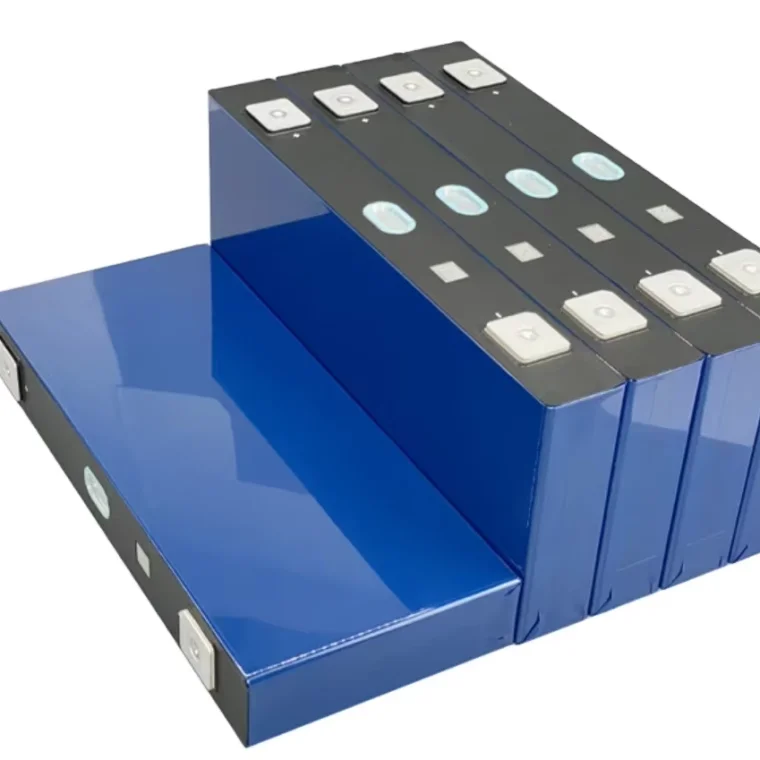
Why Lithium Battery Power Has Become the Industrial Standard
Compared with traditional energy storage technologies such as lead-acid batteries or nickel-based systems, lithium battery systems offer significantly improved performance characteristics.
Key advantages include:
-
Higher energy density (typically 150–300 Wh/kg depending on chemistry)
-
Lower self-discharge rate (often <3% per month)
-
Higher cycle life (2,000–6,000+ cycles depending on design)
-
Higher charge efficiency (typically 90–95%)
-
Reduced maintenance requirements
These advantages make lithium battery systems particularly suitable for:
-
Electric vehicles and forklifts
-
Energy storage systems (ESS)
-
Industrial backup power systems
-
Telecom base stations
-
Renewable energy integration (solar and wind storage)
-
Portable industrial equipment
A modern lithium battery power system is no longer a standalone energy source. It functions as a core component within intelligent energy management ecosystems.
Energy Density vs. Thermal Safety: The Core Engineering Trade-Off
One of the most critical engineering challenges in lithium battery design is balancing energy density with thermal stability.
Higher energy density improves:
-
Runtime duration
-
System compactness
-
Weight reduction
However, it may also increase:
-
Heat accumulation risk
-
Internal resistance sensitivity
-
Thermal runaway potential under fault conditions
Industrial lithium battery systems must therefore operate within tightly controlled thermal boundaries.
Typical operating temperature ranges include:
-
Charging: 0°C to 45°C
-
Discharging: -20°C to 60°C
-
Optimal performance zone: 15°C to 35°C
Beyond these ranges, performance degradation and safety risks increase significantly.
A high-quality lithium battery power system integrates:
-
Battery Management System (BMS)
-
Thermal sensors distributed across cells
-
Active or passive cooling structures
-
Overcurrent and overvoltage protection
-
Cell balancing control
These systems work together to maintain safe operating conditions even under high-load industrial usage scenarios.
Battery Management System (BMS): The Brain of Lithium Power Systems
The Battery Management System is the core control unit responsible for monitoring and regulating lithium battery operation.
Key BMS functions include:
-
Voltage monitoring per cell
-
Current regulation
-
Temperature tracking
-
State of charge (SOC) estimation
-
State of health (SOH) diagnostics
-
Cell balancing
Without an effective BMS, lithium battery systems may suffer from:
-
Uneven cell degradation
-
Capacity imbalance
-
Overcharging or over-discharging
-
Reduced cycle life
-
Safety instability
In industrial applications, BMS accuracy directly impacts system reliability.
Advanced lithium battery power systems use high-precision sampling circuits capable of millivolt-level voltage detection and real-time current adjustment.
This ensures stable energy output even under rapidly changing load conditions such as motor startups or peak power demand cycles.
Cycle Life and Degradation Behavior in Industrial Use
Battery lifespan is a critical cost factor in industrial energy systems.
Lithium battery degradation is influenced by:
-
Depth of discharge (DoD)
-
Charge/discharge rate (C-rate)
-
Operating temperature
-
Storage conditions
-
Cycle frequency
For example:
-
Shallow discharge cycles (<50% DoD) significantly extend battery lifespan
-
High-temperature operation accelerates capacity fade
-
High C-rate discharge increases internal stress
Industrial lithium battery systems are typically designed for:
-
80% capacity retention after 2,000–6,000 cycles (depending on chemistry and usage)
A well-engineered lithium battery power solution optimizes:
-
Cell chemistry selection (LFP, NMC, etc.)
-
Thermal management design
-
Charge algorithm control
-
Load balancing strategies
This ensures predictable degradation curves, which is essential for long-term operational planning and cost forecasting.
Power Output Stability Under High Load Conditions
Industrial applications often require lithium battery systems to handle sudden and high-intensity power demands.
Typical scenarios include:
-
Electric motor acceleration
-
Industrial lifting equipment
-
High-load backup power activation
-
Rapid energy discharge in storage systems
During these events, batteries must deliver:
-
Stable voltage output
-
Controlled current surge
-
Minimal internal resistance fluctuation
Poor-quality systems may experience:
-
Voltage sag under load
-
Thermal spikes
-
Reduced efficiency
-
Protective shutdowns
A reliable lithium battery power system is designed with low internal resistance architecture and reinforced current pathways to maintain voltage stability under dynamic load conditions.
This is especially important in systems where voltage instability may cause downstream equipment malfunction.
Thermal Management Architecture in Lithium Battery Systems
Thermal behavior is one of the most important safety and performance factors in lithium battery design.
Excess heat affects:
-
Chemical reaction stability
-
Electrode degradation rate
-
Internal resistance growth
-
Cycle life reduction
Modern industrial lithium battery systems adopt different thermal management strategies depending on application scale:
Passive cooling systems:
-
Aluminum heat dissipation structures
-
Thermal interface materials
-
Natural convection airflow design
Active cooling systems:
-
Liquid cooling loops
-
Forced air circulation
-
Temperature-controlled enclosures
High-performance lithium battery power systems often integrate multi-layer thermal control strategies to ensure uniform temperature distribution across battery packs.
Even small temperature differences between cells can lead to imbalance and reduced system lifespan over time.
Safety Engineering: Preventing Thermal Runaway and System Failure
Safety is the most critical requirement in lithium battery applications.
Thermal runaway can be triggered by:
-
Internal short circuits
-
Mechanical damage
-
Overcharging
-
External heating
-
Manufacturing defects
Once initiated, thermal runaway can propagate rapidly across battery cells.
To prevent this, industrial systems incorporate multiple safety layers:
-
Electrical fuses and circuit breakers
-
Cell-level pressure relief mechanisms
-
Flame-retardant enclosure materials
-
Redundant monitoring systems
-
Multi-stage shutdown protocols
A professionally designed lithium battery power system ensures that failure in one cell does not propagate to the entire battery pack.
This is particularly important in large-scale energy storage systems where multiple battery modules operate in parallel.
Application Scenarios Across Industrial Sectors
Lithium battery systems are widely deployed across multiple industrial sectors due to their versatility and efficiency.
Common applications include:
-
Electric forklifts and warehouse logistics equipment
-
Solar energy storage systems
-
Backup power for telecom infrastructure
-
Industrial automation equipment
-
Marine auxiliary power systems
-
Off-grid energy systems
In each case, system requirements vary significantly in terms of:
-
Power output profile
-
Charging frequency
-
Environmental conditions
-
Safety requirements
-
Lifecycle expectations
This diversity requires flexible system design rather than standardized battery solutions.
Huihang Technology, as a high-tech enterprise specializing in new energy lithium battery development, manufacturing, and sales, focuses on delivering high-performance lithium battery solutions for global customers across multiple application scenarios.
System Integration with Energy Management Platforms
Modern lithium battery systems are increasingly integrated into intelligent energy management platforms.
These systems enable:
-
Real-time power monitoring
-
Load distribution optimization
-
Charging schedule control
-
Energy consumption analytics
-
Predictive maintenance alerts
Integration improves overall system efficiency and reduces operational energy waste.
Advanced lithium battery power systems now function as part of digital energy ecosystems rather than isolated storage units.
Conclusion: Lithium Battery Power as a System Engineering Discipline
The evolution of lithium battery power systems has shifted from simple energy storage devices to complex engineered systems combining electrochemistry, thermal dynamics, electronic control, and system integration.
Key engineering priorities include:
-
Stable energy output under dynamic load
-
Long cycle life with predictable degradation
-
Advanced thermal management systems
-
Multi-layer safety protection architecture
-
High-precision battery management systems
-
Seamless integration with energy platforms
As industrial electrification continues to expand, lithium battery systems will play an increasingly central role in energy infrastructure, transportation systems, and industrial automation.
Huihang Technology continues to focus on high-performance lithium battery development and manufacturing, providing reliable energy storage solutions designed to meet the demanding requirements of global industrial applications, where safety, efficiency, and long-term stability define real system value.
http://www.huihangbattery.com
Shenzhen Huihang Technology Co., Ltd. -
-
AuthorPosts

- You must be logged in to reply to this topic.