- This topic is empty.
-
AuthorPosts
-
2026-11-23 at 5:38 pm #15464
In energy-intensive industries, thermal energy is often lost long before it reaches the end of the production process. Furnaces, reactors, kilns, smelting equipment and refining systems continuously generate high-temperature exhaust gases. Although these gases still contain considerable thermal energy, many factories release them without making full use of their remaining heat.
This creates an opportunity for industrial energy recovery.
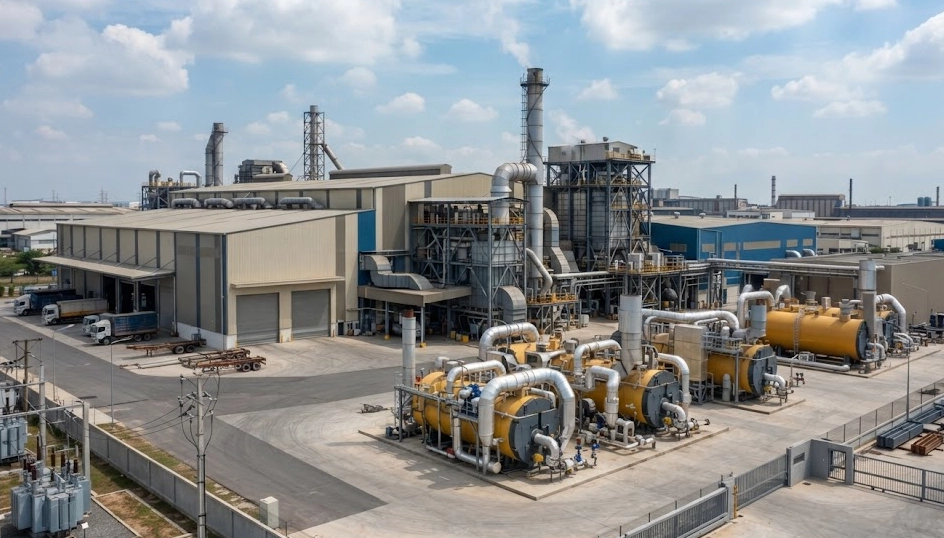
An industrial waste heat recovery boiler captures thermal energy from hot exhaust gases and converts it into usable steam. Depending on the production requirements, the recovered steam can support manufacturing processes, provide heating or contribute to electricity generation.
For factories facing rising energy costs and increasingly demanding efficiency targets, waste heat recovery offers a practical way to improve energy utilization without relying entirely on additional fuel consumption.
1. Understanding the Heat Source Before Selecting Equipment
Not all industrial waste heat can be recovered in the same way. The characteristics of exhaust gas vary significantly across different manufacturing processes, and these differences determine the technical requirements of the boiler.
For example, exhaust gas from steelmaking may contain large quantities of dust and experience substantial temperature fluctuations. Petrochemical processes may involve gases containing corrosive substances or catalyst particles, while chemical production can require carefully controlled heat recovery under relatively stable operating conditions.
Several parameters should therefore be evaluated before selecting a waste heat recovery boiler:
-
Exhaust gas temperature and flow rate.
-
Gas composition and potential corrosive components.
-
Dust concentration and particle characteristics.
-
Operating pressure and steam demand.
-
Temperature fluctuations and production cycles.
-
Available space and downstream system configuration.
Ignoring these conditions can result in excessive fouling, tube erosion, corrosion or reduced heat transfer efficiency.
For this reason, a professional waste heat boiler manufacturer should develop equipment around the actual process conditions rather than simply recommend a standard configuration.
Hailu Heavy Industry provides waste heat boiler solutions for various industrial applications, including coke dry quenching, non-ferrous metal smelting, petrochemical catalytic cracking, hydrogen production, reheating furnaces, sulfur units, sintering, steel converters and electric furnaces. Its business also covers heat recovery steam generators for combined-cycle power systems.
2. Improving Plant Energy Efficiency Through Steam Recovery
The benefits of an industrial waste heat boiler extend beyond recovering thermal energy. Its real contribution depends on how effectively the recovered steam is integrated into the factory's existing utility network.
In some facilities, steam can be supplied directly to production equipment. In others, it may be used for process heating, feedwater preparation or power generation.
System configuration is particularly important when high-temperature exhaust gases are available. A properly designed recovery system may incorporate several heat exchange stages to improve energy utilization.
For example, Hailu Heavy Industry's sulfuric acid waste heat recovery systems can include waste heat boilers, superheaters and economizers. These components work together to recover thermal energy and produce steam at the required conditions.
According to its published project information, certain systems can achieve steam parameters of up to 9.8 MPa and 540°C.
Such applications demonstrate why a high pressure waste heat boiler should be evaluated as part of the entire energy recovery system rather than as an independent piece of equipment.
3. Major Industrial Applications of Waste Heat Recovery Boilers
Different industries have different recovery opportunities, but several sectors have particularly strong demand for customized waste heat boiler systems.
Steel Manufacturing and Metallurgical Processing
Steel production generates substantial amounts of high-temperature exhaust gas during converter operations, electric furnace processing and sintering.
Recovering this heat can reduce energy losses and provide steam for other plant operations. However, dust loading, unstable gas flow and changing thermal conditions require careful equipment design.
Hailu Heavy Industry provides waste heat boiler solutions for steel converters, electric furnaces, sintering systems and related metallurgical applications.
Petrochemical and Refining Industries
Refineries offer significant opportunities for recovering heat from catalytic cracking and other high-temperature processes.
An FCC waste heat boiler can capture thermal energy from fluid catalytic cracking exhaust gas and convert it into useful steam.
However, catalyst particles may cause erosion and deposits, while gas composition can influence corrosion and maintenance requirements. The boiler's heat exchange surfaces and cleaning arrangements must therefore match the actual operating environment.
Hailu develops waste heat boiler systems for FCC units and CO-rich flue gas applications.
Sulfuric Acid and Chemical Production
Chemical plants, particularly sulfuric acid facilities, can generate substantial recoverable heat during production.
By integrating waste heat boilers with superheaters and economizers, these facilities can convert process heat into high-pressure steam.
Hailu's published application information covers sulfur recovery systems and large sulfuric acid projects, including installations with steam production capacities exceeding 100 t/h.
For these projects, the boiler must be coordinated with the chemical process to maintain appropriate heat recovery performance and operating stability.
Non-Ferrous Metal Smelting
Copper and other non-ferrous metal smelting operations produce high-temperature gases that can serve as valuable heat sources.
A waste heat boiler for copper smelting helps recover this energy while supporting the plant's steam requirements.
Nevertheless, high dust concentrations, material erosion and potential fouling make equipment design and maintenance planning especially important.
4. Why Customized Engineering Matters More Than Standard Specifications
One of the biggest challenges in waste heat recovery projects is matching the boiler to the production process.
Two factories may have similar exhaust gas temperatures but completely different flow rates, gas compositions and operating schedules. Consequently, selecting equipment based on temperature alone can lead to unsatisfactory results.
An experienced industrial waste heat recovery boiler manufacturer should evaluate the complete thermal balance, determine suitable heat exchange arrangements and consider the relationship between steam production and downstream energy consumption.
Maintenance accessibility is another important factor. Tube cleaning, inspection and replacement should be considered during the design stage, particularly when dealing with dusty or corrosive exhaust gases.
Hailu Heavy Industry states that it provides design, installation, operation and EPC services for complete waste heat recovery plants. This integrated approach allows individual boilers to be coordinated with associated equipment and overall plant requirements.
5. Key Considerations When Purchasing an Industrial Waste Heat Boiler
Before requesting quotations, buyers should prepare reliable process data. Incomplete technical information can lead to unsuitable equipment proposals, inaccurate performance expectations and unnecessary design modifications.
The following factors deserve particular attention:
Heat source information: Identify the equipment producing exhaust gas and provide normal, minimum and maximum operating temperatures, together with gas flow data.
Gas characteristics: Confirm chemical composition, dust concentration and potential corrosion or erosion risks.
Steam requirements: Define the required steam capacity, pressure, temperature and expected consumption pattern.
Operating conditions: Explain whether the heat source operates continuously or experiences frequent fluctuations and shutdowns.
Maintenance arrangements: Evaluate cleaning methods, inspection accessibility, spare parts availability and technical support.
These details help manufacturers develop a solution that balances heat recovery performance, equipment reliability and long-term operating costs.
6. Hailu Heavy Industry: Experience in Industrial Heat Recovery Equipment
With a history dating back to 1956, Hailu Heavy Industry has developed manufacturing and engineering capabilities across boilers, pressure vessels, nuclear power equipment and environmental protection systems.
According to the company's published profile, its waste heat boiler products serve more than 30 industries and have been exported to over 80 countries and regions.
Its manufacturing infrastructure includes a production workshop of approximately 45,000 square meters, large lifting equipment, heat treatment facilities, thick-plate rolling machinery and non-destructive testing equipment. The company also reports an annual production capacity of 20,000 tons.
These resources are relevant to large industrial projects where equipment dimensions, material processing, welding quality and inspection requirements can make fabrication particularly demanding.
For companies seeking a waste heat recovery boiler manufacturer capable of supporting customized industrial applications, Hailu's manufacturing background and application experience provide useful reference points.
Conclusion
Industrial waste heat should not be viewed simply as an unavoidable byproduct of manufacturing. With appropriate engineering and equipment selection, it can become a valuable energy resource that supports production, reduces fuel consumption and improves overall plant efficiency.
The success of a waste heat recovery project depends on understanding the heat source, selecting suitable materials, designing effective heat exchange arrangements and ensuring that recovered steam matches actual plant demand.
For steel mills, refineries, chemical facilities and metallurgical plants, working with an experienced manufacturer is an important step toward achieving reliable long-term energy recovery.
Hailu Heavy Industry provides industrial waste heat boiler solutions designed around different process conditions, helping manufacturers make better use of the thermal energy already available within their production systems.
https://www.hailu-boiler.com/blog/industrial-waste-heat-recovery-boiler-a-complete-guide.html
https://www.hailu-boiler.com/
Suzhou Hailu Heavy Industry Co., Ltd. -
-
AuthorPosts

- You must be logged in to reply to this topic.